Best Educational YouTube Channels for K1-K2 Kids (2026)
The best educational YouTube channels for K1-K2 kids in Singapore (2026). A parent's guide to safe, screen-smart channels for phonics, numbers & school readiness.
QuizKin Team
Published 16 September 2026
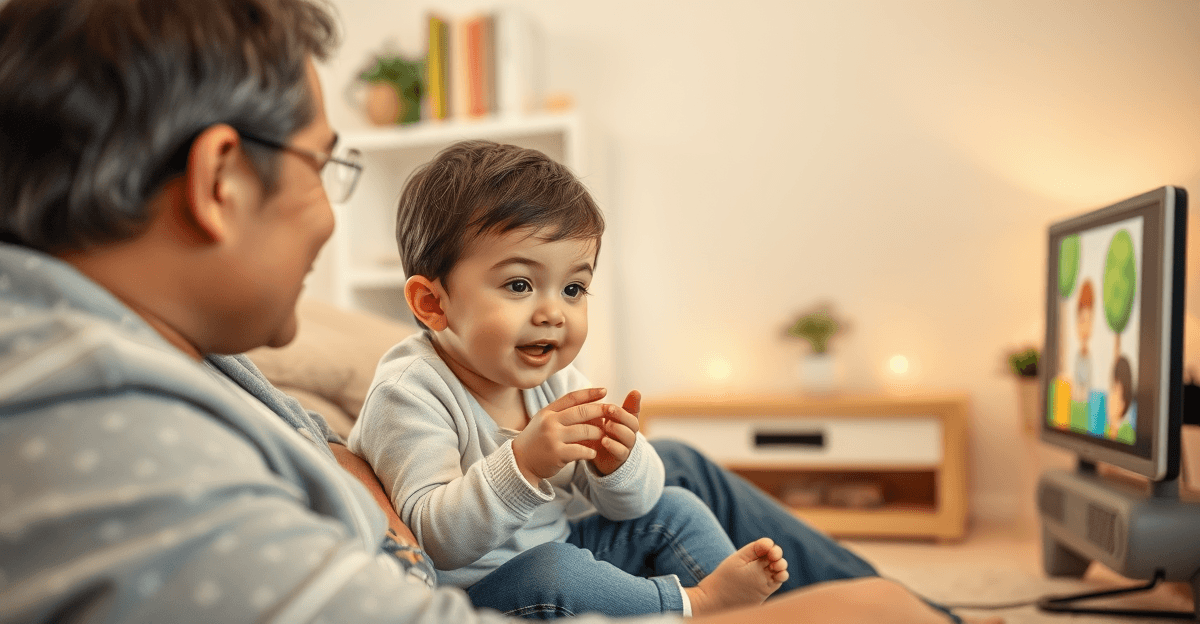
It's 6pm on a weeknight in Singapore. Dinner is cooking, you're answering one last work message, and your K1 child is tugging at your sleeve asking for "the phone." Sound familiar? If you're going to hand over a screen, you may as well make those minutes count. The good news: the best educational YouTube channels for kids can turn passive scrolling into genuine early learning — building phonics, number sense, and vocabulary that support your little one's journey toward Primary 1.
This guide is written parent-to-parent. We'll walk through the channels worth your child's time in 2026, how to keep viewing safe and screen-smart, and how to make sure what your little one watches actually translates into learning that lasts.
TL;DR — Key Takeaways
- Best all-rounders: Alphablocks and Numberblocks (BBC) top the list for phonics and maths aligned with how Singapore's MOE teaches early literacy and numeracy.
- Screen time cap: Keep recreational screens under 1 hour a day for ages 4-6, in shorter sessions rather than one long stretch.
- Use YouTube Kids, not regular YouTube — set it to "parent-approved content only" for K1-K2 children.
- Passive watching alone isn't enough. Pair videos with talking, drawing, or a quick quiz to lock in the learning.
What Makes a Good Educational YouTube Channel for K1-K2 Kids?
A good educational channel for a 4-6 year old teaches one clear concept per short video, uses repetition and song, and avoids the frantic, over-stimulating editing that keeps kids hooked without helping them learn. The best educational YouTube channels for kids are made by educators or established broadcasters, not algorithm-chasing content farms.
Here's a definitive rule of thumb: if a video can't be paused and discussed, it probably isn't teaching your child anything. Research on early childhood media consistently shows that children learn far more when an adult watches alongside them and talks about what's happening — a practice called "co-viewing." A channel that invites conversation is worth ten that simply hold attention.
When you're evaluating a channel, look for:
- Slow-to-moderate pacing — no rapid scene cuts every two seconds
- Clear, single-concept episodes — one letter, one number, one idea
- Real educational grounding — tied to phonics, counting, or social-emotional skills
- Minimal or no ads, and no manipulative "click the next video" pressure
- Age-appropriate language your child can actually repeat back
The Best Educational YouTube Channels for K1-K2 Kids in 2026
Below are the channels Singapore parents recommend most for children aged 4-6. Each supports skills that map neatly onto MOE's Nurturing Early Learners (NEL) framework — the curriculum used across PCF Sparkletots, My First Skool, and PAP Community Foundation kindergartens.
1. Alphablocks — Best for Phonics
Alphablocks, produced by the BBC, teaches synthetic phonics by turning letters into characters that combine to make words. It maps beautifully onto how Singapore preschools introduce letter sounds. Each episode is around 5 minutes, making it perfect for a single, contained viewing block. If your child is starting to sound out simple words, this is where to begin.
2. Numberblocks — Best for Early Maths
Also from the BBC, Numberblocks makes numbers concrete by giving each one a body made of blocks. It builds number sense, counting, addition, and subtraction in a way that feels like play. This aligns closely with the numeracy expectations in K2 — and helps demystify concepts that appear in a K2 maths assessment. Many Singapore parents credit Numberblocks with their child's first "aha" moment about how numbers work.
3. StoryBots (Netflix Jr / YouTube) — Best for Curiosity
StoryBots answers the big "why" questions — Why is the sky blue? How do computers work? — in catchy, animated songs. It's ideal for the endlessly curious K2 child and quietly builds general knowledge and vocabulary.
4. Super Simple Songs — Best for Youngest Learners (K1)
With gentle pacing and repetitive, singable tunes, Super Simple Songs is excellent for K1 children still developing language. The nursery rhymes and routine songs (clean-up time, days of the week) reinforce daily habits alongside vocabulary.
5. Ms Rachel (Songs for Littles) — Best for Speech & Language
Ms Rachel uses research-backed speech techniques, pausing to encourage children to respond aloud. It's particularly loved by parents of children who are late talkers or bilingual — common in Singapore's multilingual homes where English, Mandarin, Malay, or Tamil mix daily.
6. National Geographic Kids — Best for Nature Lovers
Short, vivid clips about animals and the natural world feed a preschooler's fascination with the living world and expand descriptive vocabulary. Great for the child who wants to know everything about sharks, volcanoes, or dinosaurs.
How Much Screen Time Is Safe for K1-K2 Kids?
For children aged 4-6, keep recreational screen time under one hour per day, ideally split into shorter sessions rather than one long stretch. This is the guidance echoed by Singapore's Health Promotion Board and international bodies like the World Health Organization, which recommends no more than one hour of sedentary screen time daily for this age group.
The quality of that hour matters more than the exact minutes. A child who watches 20 focused minutes of Numberblocks with a parent gains more than one who half-watches an hour of random autoplay content. To keep screens healthy in your home:
- Set a visible timer so ending a session isn't a surprise (this reduces meltdowns)
- Keep screens out of the bedroom and off during meals
- Make the last 30-60 minutes before bed screen-free to protect sleep
- Model the behaviour — kids notice when parents are glued to phones
If managing daily limits feels like a constant negotiation, our full guide to screen time rules for preschoolers offers practical scripts and routines Singapore families actually use.
How Do I Keep YouTube Safe for My Preschooler?
Use the free YouTube Kids app rather than standard YouTube, and switch it to "approved content only" so your child can watch just the channels you've personally vetted. This is the single most important step for keeping a K1-K2 child safe online, because it removes search, most ads, and the autoplay rabbit hole that leads to inappropriate content.
Practical safety steps:
- Set the age level to "Younger (ages 5-8)" or "Preschool" in YouTube Kids settings.
- Turn off autoplay so one video doesn't roll into ten.
- Use approved-content-only mode and hand-pick channels like the ones above.
- Keep the device in a shared space — the living room, not a closed room.
- Review the watch history together once a week and chat about favourites.
Singapore's Personal Data Protection framework and the Media Literacy Council both emphasise starting digital-safety habits early. The conversations you have now — about what's real, what's an ad, and when to stop — are the foundation of your child's lifelong media literacy.
Turning Watching Into Real Learning
Videos plant seeds, but learning grows through active recall — talking about, retelling, and practising what was watched. A child who simply watches a phonics video may recognise a letter; a child who then says the sound, hunts for it in a storybook, and answers a quick quiz actually owns it.
Here's the science made simple: passive watching activates recognition, but active recall — retrieving information from memory — is what builds lasting knowledge. This is why we designed QuizKin around adaptive quiz practice that makes learning fun and measurable for K1-K2 kids. After your little one watches a Numberblocks episode on counting, a few playful, bite-sized questions turn that screen time into something you can actually see progress in — and the adaptive part means the questions adjust to your child's level, never too easy or too frustrating.
Simple ways to make videos "stick" without any app at all:
- Ask "what happened?" right after — retelling builds comprehension.
- Draw it. Ask your child to draw their favourite Numberblock or letter.
- Find it in the real world. Spotted the letter "S"? Hunt for it on signs during your MRT ride.
- Sing it back. Repeating a Super Simple Song reinforces language and memory.
This active approach also happens to be why game-based learning works so well for preschoolers — play lowers the pressure and raises engagement, so children practise more without even realising it.
Fitting YouTube Into the Bigger Picture
Educational YouTube is one small tool in your child's development — not the whole toolbox. The K1-K2 years are the runway to Primary 1, and the skills that matter most are broad: reading readiness, number sense, fine motor control, and the confidence to try new things.
Balance screen learning with:
- Reading together daily — track where your child stands with these reading milestones for ages 4-6.
- Hands-on play that builds pencil grip and control — see our fine motor skills activities for K1 kids.
- Social play with other children — crucial and impossible to learn from a screen.
- A clear readiness roadmap as the transition nears — our Primary 1 readiness checklist breaks it into 30 concrete skills.
If you'd like extra learning support beyond videos and apps, you can find a preschool tutor with no agency fees through TuitionLah — helpful for parents who want structured, face-to-face reinforcement. And if you're building out a home-learning setup on a budget, WhyNotDeals rounds up the latest education and family deals across Singapore.
The Bottom Line
The best educational YouTube channels for kids — Alphablocks, Numberblocks, Ms Rachel, and their peers — can genuinely enrich your K1-K2 child's early learning when used intentionally: short sessions, safe settings, and a parent nearby to talk it through. The magic isn't in the watching. It's in what you and your little one do next: the retelling, the letter-hunt on the walk home, the playful quiz that turns a video into a memory.
Keep it under an hour, keep it safe, and keep it active — and those weeknight screen minutes can become one more small step toward a confident, curious, school-ready child.
Sources
- MOE Nurturing Early Learners (NEL) Framework — Singapore's official curriculum framework for kindergarten learning.
- Health Promotion Board Singapore — Screen Time Guidelines — recommendations on healthy screen use for young children.
- World Health Organization — Physical Activity and Sedentary Behaviour Guidelines for Under-5s — evidence-based screen time limits for early childhood.
- YouTube Kids Parental Controls — official guidance on approved-content and age settings.
- Media Literacy Council Singapore — resources on building digital safety habits for families.
Practise what you’ve read with QuizKin
Adaptive quizzes covering phonics, sight words, numbers, and more — aligned with the Singapore MOE curriculum. Start your free Premium trial today.
Frequently Asked Questions
For children aged 4-6, health authorities recommend keeping recreational screen time to under one hour a day, ideally broken into shorter sessions rather than one long stretch. Co-view when you can, and use YouTube Kids with a timer so your little one learns that screens have a clear stop point. Balance every video session with hands-on play, reading, and outdoor time.
Yes. YouTube Kids filters content by age band, removes most ads, and lets you approve specific channels or turn off search entirely. For K1-K2 children, set the age range to 'Preschool (ages 4 & under)' or 'Younger (ages 5-8)' and use the parent-approved-content-only mode so your child can only watch channels you have personally vetted.
They can support it, but they are not a substitute for structured practice. Videos build vocabulary, phonics awareness, and number sense, which align with MOE's Nurturing Early Learners framework. Pair passive watching with active recall — talking about the video, drawing it, or doing a short quiz — so the learning actually sticks.
Ready to make learning fun?
QuizKin turns screen time into learning time with adaptive quizzes built for K1-K2 kids in Singapore. Free to start.
Related Articles
How to Nurture Curiosity in Your Preschooler: A Singapore Parents' Guide
Practical tips for Singapore parents to spark curiosity in K1-K2 kids — from everyday routines to structured learning that sticks.
Best Board Games for Learning: Singapore Preschooler Picks
Discover the best board games for learning in Singapore for K1-K2 kids (ages 4-6). Parent-tested picks that build maths, literacy & social skills through play.
Positive Reinforcement for Learning: How Singapore Parents Can Motivate Without Pressure
Learn how positive reinforcement for learning helps Singapore K1-K2 kids stay motivated. Practical tips for parents to encourage without pressure.