NLB Library Activities for Singapore Preschoolers
Discover the best NLB library activities for Singapore preschoolers. A parent's guide to free storytimes, reading programmes and learning fun for K1-K2 kids.
QuizKin Team
Published 27 September 2026
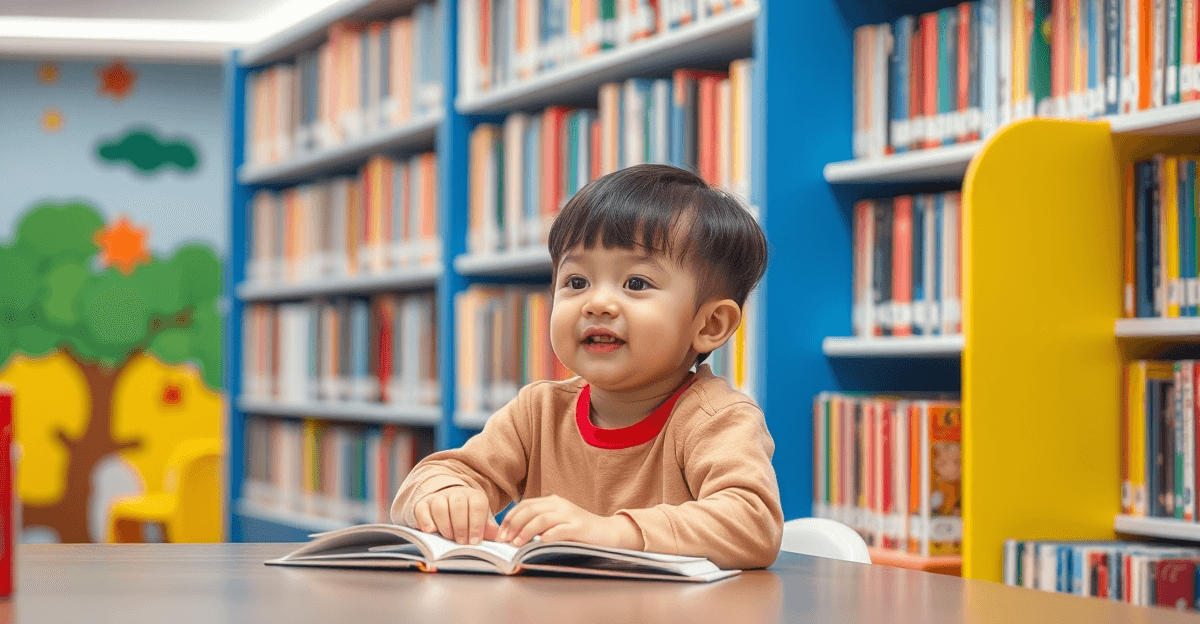
It's a rainy Saturday morning, your K1 child is bouncing off the walls, and options for a restless four-year-old can feel surprisingly limited. Here's some good news: genuinely enriching early learning experiences in Singapore can be completely free, air-conditioned, and just an MRT stop away. NLB library activities for Singapore preschoolers are one of the most underrated resources for parents of 4-6 year olds — offering storytimes, reading programmes and hands-on sessions that build the exact literacy and social skills your little one needs before Primary 1.
If you've only ever used the library to borrow books and rush out, you're missing more than half of what the National Library Board (NLB) offers. This guide walks you through the programmes worth your time, how to sign up, and how to turn a simple library trip into meaningful learning for your child.
TL;DR — Key Takeaways
- NLB offers free early literacy programmes for young children, with the best fit for K1-K2 kids aged 4-6.
- Flagship programmes include KidsRead, storytelling sessions, and interactive rhyme-and-play activities across 28 public libraries.
- A weekly library visit measurably boosts vocabulary, listening skills and Primary 1 reading readiness.
- Registration is done via the NLB Mobile app or nlb.gov.sg — many sessions are free but require booking.
- Pair library reading with short, playful practice at home to make progress visible and stick.
Why NLB Library Activities Matter for Preschoolers
NLB library activities give Singapore preschoolers structured exposure to books, stories and language in a way that directly supports early literacy — one of the strongest predictors of later academic success. Children who are read to regularly and who engage with stories before Primary 1 enter school with larger vocabularies and stronger listening comprehension.
The research is clear: reading aloud to young children is one of the single most effective things a parent can do. Studies cited by early childhood educators show that children exposed to daily shared reading hear millions more words by age 5 than those who aren't. In Singapore's context, where bilingualism is part of the MOE curriculum from preschool onward, libraries also offer rich Mother Tongue collections — Chinese, Malay and Tamil picture books — that help your child build a second language naturally.
Definitive statement: A child who visits the library weekly and reads at home develops the vocabulary, focus and love of books that make the transition to Primary 1 dramatically smoother. These are the same foundational skills preschools like PCF Sparkletots, My First Skool and PAP Community Foundation kindergartens work to build in K1 and K2 — and the library reinforces them for free.
If you're tracking where your child stands, our guide on reading milestones for children ages 4-6 helps you understand what's typical at each stage.
Which NLB Library Activities Are Best for K1-K2 Kids?
The best NLB library activities for preschoolers are storytelling sessions, the KidsRead programme, and hands-on rhyme-and-play workshops — all designed for children aged 4-6. Here's what each offers and why it works.
Storytelling and Storytime Sessions
NLB libraries run regular storytelling sessions, often weekly, where a trained facilitator or volunteer reads picture books aloud with props, songs and actions. These free sessions typically last 30-45 minutes — perfectly matched to a preschooler's attention span.
Why it works: your child learns to sit, listen and follow a narrative, all while having fun. Story sessions also model expressive reading, teaching kids that books are exciting, not a chore. Look out for sessions in English and Mother Tongue languages at your neighbourhood library.
KidsRead Programme
KidsRead is NLB's flagship early reading programme, run in partnership with community organisations. It targets children aged 4 to 8, with a special focus on kids from lower-income families, pairing them with trained volunteer reading buddies over weekly sessions.
Direct answer to a common query: KidsRead is free, and children are grouped in small settings with volunteers who read to them and do reading-related craft activities. It's an excellent option if your K1 or K2 child benefits from small-group attention and consistent routine.
Rhyme, Play and Craft Workshops
Many libraries host themed workshops combining rhymes, movement and simple crafts tied to a story. For 4-6 year olds, these build phonological awareness (hearing the sounds in words) — a critical pre-reading skill — while also strengthening the hand muscles used for writing. If handwriting readiness is on your mind, pair these with the ideas in our guide to fine motor skills activities for K1 kids.
Digital and Sensory Zones
Newer libraries like the ones at our regional hubs feature interactive early literacy zones with tactile exhibits, digital story walls and cosy reading nooks designed specifically for young children. These spaces make the library feel like a playground for the mind.
How to Sign Up for NLB Library Activities
Signing up for NLB library activities is done through the NLB Mobile app or the nlb.gov.sg website, and most preschool programmes are free with a valid NLB membership. Membership itself is free for Singapore citizens and Permanent Residents.
Here's the simple process:
- Get an NLB membership — automatic for citizens and PRs; foreigners can register for a small annual fee.
- Download the NLB Mobile app — this is where you'll browse and book programmes, reserve books, and check due dates.
- Browse "Programmes & Events" — filter by age group (choose "Children" or the 4-6 range) and your preferred library.
- Register early — popular preschool sessions fill up fast, especially during school holidays. Booking opens ahead of time and seats are limited.
- Turn up and enjoy — bring your child, a water bottle, and an open mind.
Money-saving tip: Because these programmes are free, they're a brilliant way to enrich your child's week without stretching the household budget. If you're looking to stack more affordable enrichment, sites like WhyNotDeals round up education and family deals across Singapore, from holiday camps to museum passes.
Making the Most of Every Library Visit
A great library visit for a preschooler is short, child-led and consistent — aim for 30-45 minutes where your child chooses some books, hears a story, and borrows titles to enjoy at home. You don't need to turn it into a lesson; the magic is in the routine and the joy.
A few parent-tested habits that work:
- Let your child pick. Autonomy builds motivation. Even if they choose the same dinosaur book five weeks running, that repetition is exactly how young children learn.
- Borrow to a "just right" number. NLB members can borrow up to a generous limit, but 6-8 books a week is plenty for a preschooler. Rotate them.
- Read together at home. The library trip is the spark; daily 10-minute reading at home is the fuel. Ask your child questions — "What do you think happens next?" — to build comprehension.
- Mix languages. Borrow a Mother Tongue title alongside English ones to support your child's bilingual development in line with the MOE curriculum.
Library visits also quietly build social skills — waiting for a turn during storytime, sitting with other children, and speaking up to answer the storyteller. If you'd like to nurture this further, our article on developing social skills in preschoolers offers practical ideas.
Turning Library Reading Into Measurable Learning
Library reading builds a love of books, but pairing it with light, playful practice helps you see your child's progress and fill gaps before Primary 1. Reading exposure and skills practice work best together.
After a library session about, say, counting animals or the alphabet, you can reinforce the concepts with a quick, fun quiz at home. This is where a tool like QuizKin fits in naturally: it offers adaptive quiz practice that makes learning fun and measurable for K1-K2 kids, adjusting the difficulty to your child's level so they stay challenged but never frustrated. A few minutes turns "we read a lovely book" into "I can see my child now recognises rhyming words and counts to 20."
Because it's game-based, it doesn't feel like homework — and there's good evidence that game-based learning works especially well for preschoolers. Just remember to keep total screen use age-appropriate; our screen time rules for preschoolers guide helps you strike the balance.
If Primary 1 is on the horizon, combine your library habit with our Primary 1 readiness skills checklist to make sure your little one has the full set of foundations — from literacy and numeracy to independence. And if you feel your child would benefit from one-to-one support in any area, TuitionLah lets you find a tutor for free with no agency fees.
A Simple Weekly Library Routine for K1-K2 Families
A sustainable routine is one weekly library visit plus 10 minutes of daily reading at home — a combination that consistently builds vocabulary, focus and reading confidence in 4-6 year olds. You don't need elaborate plans.
Here's an easy rhythm to try:
- Weekday evenings: 10 minutes reading a borrowed book before bed.
- Weekend morning: A library visit — attend a storytime if one's on, then browse and borrow.
- Once a week: A short, playful skills check (letters, sounds, numbers) to celebrate what your child is learning.
Keep it low-pressure. The goal at ages 4-6 isn't to race ahead academically — it's to build a child who likes learning. That love of books is the single best gift you can give before formal schooling begins. Reducing pressure also matters for kids who feel anxious about "being tested"; our guide on reducing test anxiety in preschoolers can help.
Final Thoughts
NLB library activities for Singapore preschoolers are one of the most generous, accessible resources our little island offers parents — free, welcoming, and genuinely good for your child's development. You don't need to sign up for expensive enrichment to give your K1 or K2 child a strong head start. A library card, a weekly visit, and a little reading at home go a remarkably long way.
So this weekend, pack a water bottle, take your little one's hand, and go make the library your family's happy place. Your child's future reader is waiting inside.
Sources & References
- National Library Board — Programmes & Services — official information on library membership, storytimes and children's programmes.
- NLB KidsRead Programme — details on NLB's flagship early reading programme for children aged 4-8.
- MOE Nurturing Early Learners (NEL) Framework — Singapore's Ministry of Education preschool curriculum and early literacy guidance.
- Early Childhood Development Agency (ECDA) — national resources on child development for ages 0-6.
- The Straits Times — Education — reporting on preschool education and family learning in Singapore.
Practise what you’ve read with QuizKin
Adaptive quizzes covering phonics, sight words, numbers, and more — aligned with the Singapore MOE curriculum. Start your free Premium trial today.
Frequently Asked Questions
Yes. Almost all NLB early literacy programmes — including KidsRead, storytelling sessions and rhyme-and-play activities — are completely free for members. You only need a valid NLB membership, which is free for Singapore citizens and PRs. Some hands-on workshops require pre-registration through the NLB website or app because seats are limited.
NLB runs sessions for babies as young as 6 months, but the sweet spot for structured storytime and early literacy programmes is ages 4-6, which lines up with K1 and K2. Programmes like KidsRead specifically target children aged 4-8 from lower-income families, while general storytimes welcome all preschoolers.
Once a week is a realistic, high-impact goal for most Singapore families. A weekly visit builds routine, lets your child borrow and return books (which teaches responsibility), and keeps them exposed to new titles. Even a fortnightly visit paired with daily home reading makes a measurable difference to your child's vocabulary and reading readiness.
Ready to make learning fun?
QuizKin turns screen time into learning time with adaptive quizzes built for K1-K2 kids in Singapore. Free to start.
Related Articles
Best Board Games for Learning: Singapore Preschooler Picks
Discover the best board games for learning in Singapore for K1-K2 kids (ages 4-6). Parent-tested picks that build maths, literacy & social skills through play.
Teaching Phonics at Home: Singapore Parents' Step-by-Step Guide
Help your K1-K2 child master phonics at home with this Singapore parents' guide — practical steps, local curriculum tips, and fun daily routines.
Best Educational YouTube Channels for K1-K2 Kids (2026)
The best educational YouTube channels for K1-K2 kids in Singapore (2026). A parent's guide to safe, screen-smart channels for phonics, numbers & school readiness.