Reducing Test Anxiety in Preschoolers
A warm, evidence-based guide to reducing test anxiety in preschoolers for Singapore parents of K1-K2 kids, with practical calm-down strategies that actually work.
QuizKin Team
Published 21 June 2026
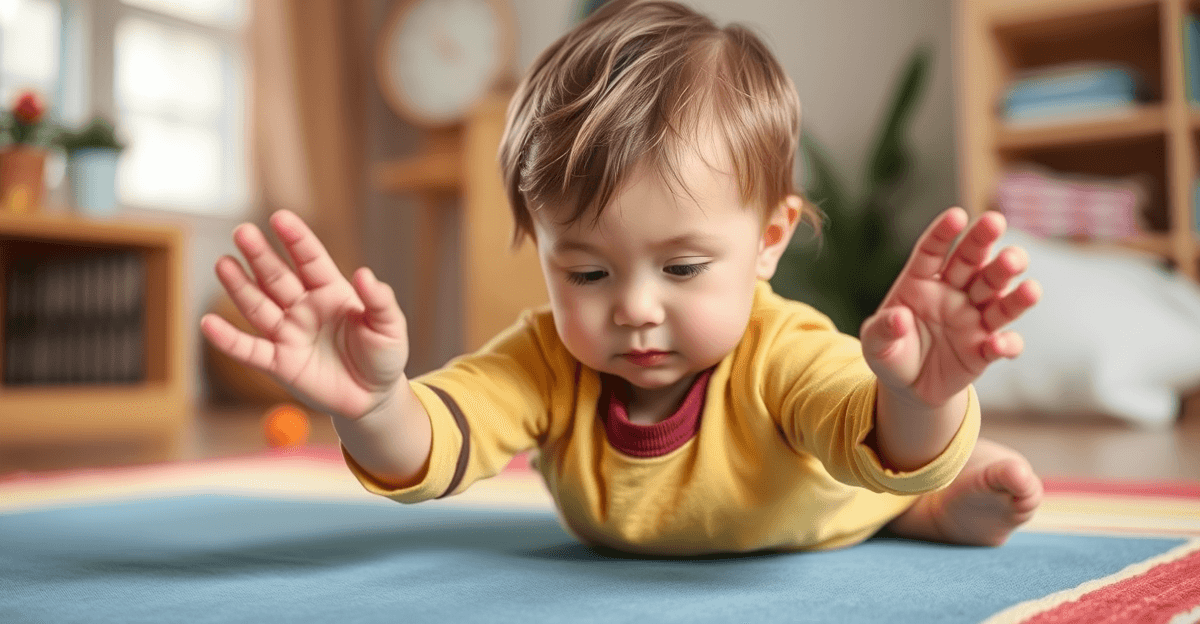
It's the night before your little one's kindergarten assessment, and instead of sleeping she's complaining of a sore tummy. Or maybe your K2 son, usually chatty, suddenly goes silent and stares at the floor the moment a teacher asks him a question. If this sounds familiar, you're not imagining it — test anxiety in preschoolers is real, and in a high-achieving environment like Singapore, even children as young as four can feel the weight of "getting it right." The good news? At this age, anxiety is very responsive to small changes in how we talk, play, and prepare. This guide walks you through what's happening in your child's mind and exactly what you can do to help.
TL;DR — Key Takeaways
- Test anxiety affects children far younger than most parents think — it can appear in K1-K2 kids (ages 4-6) as tummy aches, clinginess, or freezing up.
- Roughly 1 in 8 children experiences an anxiety condition before adolescence, and early pressure is a contributing factor (source: research summarised below).
- The single most effective tool is reducing pressure, not increasing practice. Effort-based praise, playful preparation, and predictable routines matter more than drilling.
- Short, game-like practice (10–15 minutes) builds familiarity and confidence, which directly lowers anxiety.
- In Singapore, the goal for ages 4–6 is readiness through play — formal performance pressure isn't developmentally appropriate yet.
What Is Test Anxiety in Preschoolers?
Test anxiety in preschoolers is a stress response — physical, emotional, or behavioural — triggered by being evaluated, questioned, or assessed. Unlike older children sitting the PSLE, preschoolers rarely face formal exams. Instead, their anxiety is sparked by kindergarten check-ins, P1 readiness expectations, and the emotional tone they sense from the adults around them.
Young children can't always say "I feel nervous." A four-year-old's anxiety speaks through the body and through behaviour instead. A preschooler who suddenly develops a stomach ache every assessment morning is very likely communicating worry, not illness.
Common signs include:
- Physical: tummy aches, headaches, poor sleep, loss of appetite before a learning task
- Emotional: clinginess, crying, irritability, "I can't do it" before even trying
- Behavioural: freezing or going silent when questioned, avoiding activities they used to enjoy, tantrums around homework or revision
In Singapore specifically, this matters because the journey toward Primary 1 begins emotionally long before it begins academically. When children overhear conversations about "being ready," "falling behind," or "the interview," they absorb the pressure without understanding the context.
Why Singapore Preschoolers Feel the Pressure Early
Singapore's education culture is intense by global standards, and children sense competition far earlier than parents intend. The Ministry of Education (MOE) has deliberately steered the early-childhood years toward learning through play — the Nurturing Early Learners (NEL) framework used in MOE Kindergartens, PCF Sparkletots, My First Skool, and PAP Community Foundation centres emphasises holistic development, not testing. Yet the surrounding adult environment often sends a different message.
Here's the tension: while official policy for ages 4–6 is play-based and pressure-light, the social atmosphere — enrichment classes, P1 registration talk, comparisons among parents — can quietly raise the stakes for your child.
A few realities worth naming:
- Kindergartens do conduct observations and simple assessments of literacy, numeracy and social skills — but these are meant to guide teaching, not rank children.
- Some private and popular kindergartens hold interviews or readiness checks, which is where parent stress often spikes. (If that's on your horizon, our guide on how to prepare your child for a kindergarten interview in Singapore walks through it calmly.)
- PSLE is years away, yet anxiety about it can trickle down into the preschool years through family conversation.
The definitive point: most of the pressure a preschooler feels is borrowed from adults, which means most of it is also within our power to reduce.
How to Reduce Test Anxiety in Preschoolers: 7 Evidence-Based Strategies
The most effective way to reduce test anxiety in preschoolers is to lower the emotional stakes while building genuine familiarity with question-and-answer learning. Decades of child-development research point to the same conclusion: young children perform and cope best when they feel safe, capable, and unhurried. Here are seven strategies you can start today.
1. Praise effort, not just correct answers
Children who are praised for being "so smart" learn to fear situations that might prove otherwise. Children praised for effort — "You kept trying even when it was tricky!" — develop resilience. This is the practical application of Carol Dweck's well-known research on growth mindset. Effort-based praise is one of the strongest protective factors against performance anxiety in young children.
2. Never use "test" as a threat
Phrases like "If you don't practise, you'll fail your assessment" turn learning into a source of fear. Instead, frame learning as discovery: "Let's find out what you already know!" The word "test" should feel as neutral as "puzzle."
3. Make practice short, playful, and predictable
A preschooler's focused attention span is roughly 10 to 15 minutes. Long drilling sessions don't just fail to help — they actively breed dread. Short, game-like sessions build confidence through small, repeated wins. This is exactly where tools like QuizKin help: adaptive quiz practice that makes learning fun and measurable for K1-K2 kids lets your child experience the "question and answer" format as play, so it never feels scary when it shows up in a real classroom. Familiarity is the antidote to fear.
4. Rehearse the situation, not just the content
Children fear the unknown. If your child will be asked questions by a teacher, gently role-play it at home: take turns being the "teacher" and the "student," keep it silly and warm. Children who have rehearsed a format show measurably less freezing and avoidance when they face it for real.
5. Protect sleep and routine before any big day
A tired, rushed child is an anxious child. The Health Promotion Board recommends preschoolers get 10 to 13 hours of sleep. The night before any assessment or interview, prioritise an early, calm bedtime over last-minute revision. Revision the night before rarely helps; rest always does.
6. Teach a simple calm-down tool
Even four-year-olds can learn "balloon breathing" — breathe in slowly to inflate an imaginary balloon belly, then breathe out to deflate it, three times. Practise it during calm moments so it's ready when nerves strike. Naming feelings helps too: "It's okay to feel wobbly. Wobbly goes away."
7. Watch your own anxiety
Children are emotional mirrors. If you're tense about your child's performance, they will feel it before you say a word. The calmest thing you can do for your anxious preschooler is to manage your own expectations first. Readiness at this age is a range, not a race.
How Much Practice Is Too Much for a 4-6 Year Old?
For most K1-K2 children, 10 to 20 minutes of focused, playful learning per day is plenty — and consistency matters far more than duration. Beyond that window, attention fades, frustration rises, and the activity starts to feel like work, which is precisely what fuels anxiety.
A simple rule of thumb:
- K1 (age 4–5): 10–15 minutes, mostly play-based
- K2 (age 5–6): 15–20 minutes, with gentle introduction to letters, sounds, and numbers
The aim is steady, low-pressure exposure. A child who practises sight words for 10 happy minutes daily will be far more confident — and far less anxious — than one drilled for an hour once a week. If you're building a home routine, our guides on phonics learning for Singapore preschoolers and the sight words every K1-K2 child should know keep things age-appropriate and fun. And because so much practice now happens on tablets, it's worth setting healthy screen time rules for preschoolers so digital learning stays balanced.
Building Confidence Through Familiarity, Not Drilling
Confidence is the opposite of anxiety, and confidence in young children comes from familiarity and small successes — not from being tested harder. When a child has met a type of question before and found it manageable, the fear dissolves.
This is why measurable, adaptive practice matters more than volume. An adaptive approach adjusts to your child's level, so questions are never so hard they crush confidence nor so easy they bore. Your child experiences a steady stream of "I can do this!" moments — the emotional foundation that makes any future assessment feel ordinary rather than threatening.
It also helps you, the parent, replace worry with clarity. Instead of wondering whether your child is "behind," you can see real progress in specific skills. If you'd like a structured view of where your child stands, the Primary 1 readiness skills checklist and our overview of K2 maths assessment expectations in Singapore are good anchors. For a sense of what's normal at each age, reading milestones for children ages 4-6 can reassure you that your child is right on track.
If you do feel your child needs extra support, going at their pace with a patient, friendly tutor can also ease pressure — you can find one with no agency fees through TuitionLah.
When to Seek Extra Help
Most preschool test anxiety responds well to warmth, routine, and lowered pressure — but persistent or worsening anxiety deserves professional input. If your child's worry is intense, lasts for weeks, interferes with sleep, eating, or daily life, or comes with physical symptoms that don't have a medical cause, talk to someone.
Good first steps:
- Speak to your preschool teacher — they observe your child in a group setting and can flag patterns.
- See your paediatrician or a GP at a polyclinic to rule out physical causes and get a referral if needed.
- KK Women's and Children's Hospital and the National University Hospital both have child development and psychology services accessible through referral.
Reaching out isn't an overreaction. Early support is one of the kindest, most effective gifts you can give an anxious child.
The Bottom Line for Singapore Parents
Your child is four, five, or six. This is the season for curiosity, play, and falling in love with learning — not for fear. Reducing test anxiety in preschoolers isn't about preparing them to perform; it's about protecting their confidence so that learning stays joyful. Keep practice short and playful, praise effort, manage your own expectations, and build familiarity gently over time. Do that, and your little one will walk into every classroom — and eventually every assessment — feeling capable rather than scared.
You've got this, and so do they.
References
- MOE — Nurturing Early Learners & Kindergarten Curriculum — Singapore's play-based early-childhood framework for ages 4–6.
- HealthHub (Health Promotion Board) — Children's Sleep and Mental Wellbeing — official guidance on sleep needs and emotional health for young children.
- KK Women's and Children's Hospital — Child Development & Psychology Services — assessment and support services for children's emotional and developmental needs.
- MOE — Primary 1 Registration — official information on the P1 transition that shapes preschool expectations.
- The Straits Times — Education & Parenting Coverage — reporting on academic pressure and child wellbeing in Singapore.
Looking to keep learning affordable? Browse current education and family promotions on WhyNotDeals.
Practise what you’ve read with QuizKin
Adaptive quizzes covering phonics, sight words, numbers, and more — aligned with the Singapore MOE curriculum. Start your free Premium trial today.
Frequently Asked Questions
Yes. While preschoolers don't sit formal exams, they pick up on pressure from kindergarten assessments, P1 readiness talk, and parents' tone. Test anxiety in young children often shows up as tummy aches, clinginess, or sudden refusal to do an activity rather than as 'nerves' they can name. In Singapore's results-focused environment, even K1-K2 kids can absorb worry about 'getting it right'.
Keep practice short, playful and low-stakes — 10 to 15 minutes of game-like learning beats long drilling. Praise effort ('you tried three ways!') instead of only correct answers, and never use the word 'test' as a threat. Familiarity reduces fear, so let your child experience question-and-answer formats through play, such as adaptive quiz apps, well before any real assessment.
Common signs include stomach aches or headaches before school, trouble sleeping, increased tantrums or clinginess, saying 'I can't do it' before trying, and physical freezing when asked questions. If these appear mainly around learning tasks or assessments, anxiety is likely. Persistent or worsening symptoms are worth raising with your preschool teacher or a paediatrician.
Ready to make learning fun?
QuizKin turns screen time into learning time with adaptive quizzes built for K1-K2 kids in Singapore. Free to start.
Related Articles
Creating the Perfect Home Learning Environment
Learn how to create the perfect home learning environment for your K1-K2 child in Singapore. Practical, space-saving tips to boost focus and school readiness.
Sensory Processing in Preschoolers: Singapore Parent Guide
A warm, evidence-based guide to sensory processing in preschoolers for Singapore parents of K1-K2 kids — signs, activities, and when to seek help (ages 4-6).

Building Vocabulary: Everyday Strategies for Preschoolers
Practical everyday strategies for building vocabulary in preschoolers. Singapore parents' guide to helping K1-K2 kids learn new words before Primary 1.