Handwriting Practice Tips for K1-K2 Kids in Singapore: From Pencil Grip to Letters
Practical handwriting practice tips for K1-K2 kids in Singapore. Learn pencil grip, letter formation, and fun activities to build writing skills for Primary 1.
QuizKin Team
Published 14 June 2026
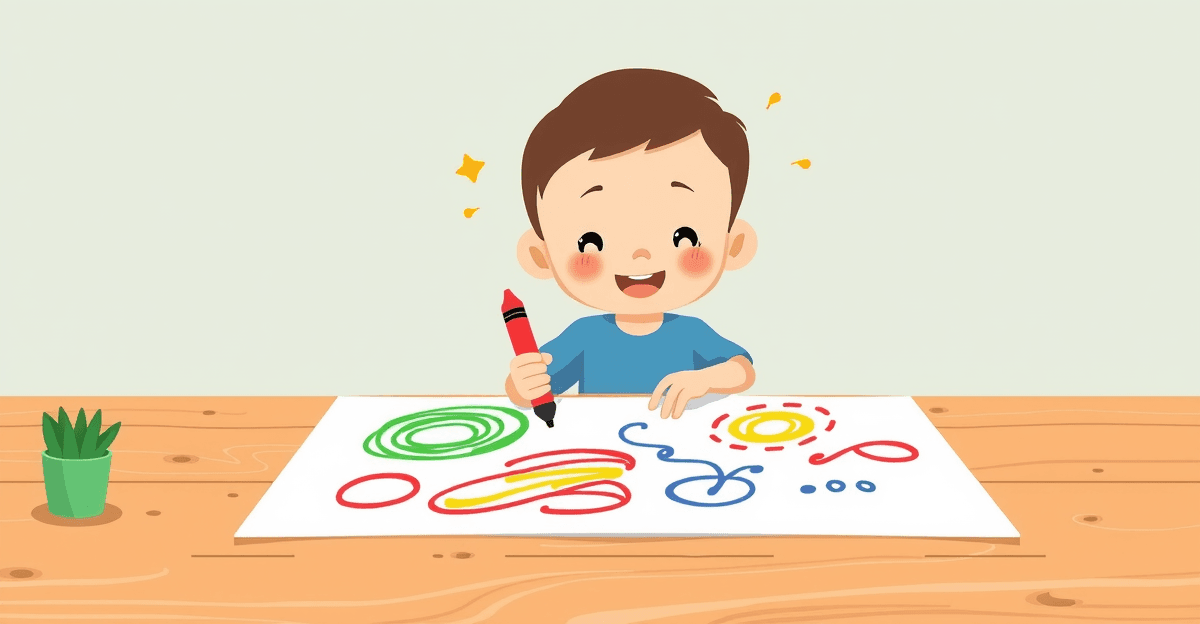
You've probably watched your K1 or K2 child grip a crayon with their whole fist, tongue poking out in concentration, scribbling lines that are almost letters. It's adorable — and it's also the very beginning of a skill they'll use every day in Primary school and beyond. Handwriting practice for K1-K2 kids in Singapore doesn't have to involve rows of repetitive drills. In fact, the best approach combines playful activities with gentle, consistent guidance that respects your child's developmental stage.
Key Takeaways
- Children aged 4-6 need strong fine motor skills before they can write letters well — focus on grip and hand strength first.
- Short daily sessions (5-15 minutes) are more effective than long weekly ones.
- Start with pre-writing patterns (lines, curves, shapes) before introducing letters.
- A proper tripod pencil grip typically develops between ages 4 and 5.
- Make it fun — forced practice often backfires at this age.
Why Handwriting Practice Matters for K1-K2 Kids in Singapore
Handwriting is more than just putting pencil to paper — it is a foundational skill that supports reading, spelling, and cognitive development. Research from Indiana University found that children who practise handwriting show significantly greater neural activity in reading-related brain areas compared to children who only type or trace. In short, writing by hand helps your child learn to read.
In Singapore's context, the MOE Kindergarten curriculum emphasises a balance of literacy, numeracy, and motor skill development. By the time your child enters Primary 1, they are expected to write both uppercase and lowercase letters legibly, copy simple words, and write their own name. Preschools like PCF Sparkletots, My First Skool, and MOE Kindergartens introduce pre-writing and early writing activities progressively through K1 and K2.
Starting early — but appropriately — gives your child the confidence they need. A significant portion of a Primary 1 child's school day involves handwriting tasks, so building this skill during kindergarten sets them up for a smoother transition.
How to Teach Pencil Grip: The First Step in Handwriting Practice for K1-K2
Before your child writes a single letter, they need to hold the pencil correctly. The tripod grip — holding the pencil between the thumb and index finger, resting on the middle finger — is considered the most efficient grip for writing.
Grip Development by Age
| Age | Typical Grip Stage |
|---|---|
| 12–18 months | Palmar (fist) grip |
| 2–3 years | Digital pronate grip (fingers pointing down) |
| 3.5–4 years | Static tripod grip |
| 4–5 years | Modified tripod or quadrupod grip |
| 5–6 years | Mature tripod grip |
3 Simple Ways to Encourage the Right Grip
- The pinch-and-flip method: Place the pencil on the table with the tip pointing towards your child. Ask them to pinch the pencil near the tip with their thumb and index finger, then flip it back so it rests on their middle finger. This naturally positions the hand into a tripod grip.
- Short writing tools: Give your child broken crayons (about 3-4 cm long), short pencils, or small pieces of chalk. Shorter tools make it physically difficult to use a fist grip, naturally encouraging a finger grip instead.
- Pencil grips: Triangular rubber pencil grips (available at Popular Bookstore or on Shopee) can help guide finger placement. Use these as a training aid, not a permanent crutch.
Building the hand strength needed for a proper grip takes time. Activities like playdough squeezing, threading beads, and using tweezers all help — and they're fun. For more ideas, check out our guide on fine motor skills activities for K1 kids in Singapore.
Pre-Writing Activities: What to Do Before Letter Formation
Jumping straight to letter writing is one of the most common mistakes parents make. Children need to master pre-writing patterns first — these are the lines, curves, and shapes that make up every letter in the alphabet.
The 8 Essential Pre-Writing Strokes (In Order of Difficulty)
- Vertical line (top to bottom) — "|"
- Horizontal line (left to right) — "—"
- Circle (counterclockwise) — "O"
- Cross — "+"
- Diagonal lines — "/" and "\\"
- Square — "□"
- Triangle — "△"
- Diamond — "◇"
Most K1 children (age 4-5) can draw the first five patterns. By K2 (age 5-6), they should be comfortable with all eight. These patterns directly translate into letter formation: a vertical line and a circle become "b", "d", "p", and "q."
Fun Pre-Writing Practice Ideas
- Sand or salt trays: Pour a thin layer of sand or salt onto a baking tray. Let your child trace patterns with their finger. It's mess-free (mostly) and satisfying.
- Finger painting patterns: Use washable finger paint on large sheets of mahjong paper. Big movements build shoulder and arm strength before refining to smaller pencil movements.
- Dot-to-dot worksheets: Widely available at local bookshops like Times and Popular, or free to print from MOE's resources. These build pencil control and number recognition simultaneously.
- Air writing: Trace big letters or patterns in the air using the whole arm. This develops muscle memory without any pressure to "get it right" on paper.
Step-by-Step Handwriting Practice: Teaching K1-K2 Kids to Write Letters
Once your child can draw pre-writing patterns confidently, they're ready for letters. Here's how to structure handwriting practice for K1-K2 kids in Singapore, following the general sequence used in most local preschools.
Start with Uppercase Letters
Uppercase letters are easier because they're made primarily of straight lines and simple curves. A commonly used teaching order (not alphabetical) groups letters by formation type:
- Straight-line letters: L, T, I, H, E, F
- Curved letters: C, O, S, U, J
- Diagonal letters: V, W, X, Y, Z, A, K, M, N
- Combination letters: B, D, G, P, Q, R
Then Move to Lowercase Letters
Most K2 programmes introduce lowercase letters in the second half of the year. These are more complex because they involve starting points below or above the midline. Teaching lowercase alongside their uppercase counterparts (Aa, Bb, Cc) helps children make connections.
The Writing Practice Routine (10-15 Minutes)
- Watch (1-2 min): Demonstrate the letter formation slowly. Talk through each stroke: "Start at the top, go straight down, then lift and go across."
- Trace (3-4 min): Let your child trace the letter over dotted lines. Use lined paper with a midline — four-line paper is standard in Singapore kindergartens.
- Copy (3-4 min): Your child writes the letter independently next to a model.
- Apply (2-3 min): Write a simple word using the letter, or find the letter in a storybook. This connects handwriting to meaning.
Keep sessions short and positive. If your child can write three good letters, that's a win. Quality over quantity always.
How to Make Handwriting Practice Fun (Not a Chore)
Let's be honest — asking a 5-year-old to sit and write rows of the letter "A" is a recipe for tears (theirs and possibly yours). Here are strategies that actually work.
Multisensory Writing Activities
Children learn better when multiple senses are engaged:
- Rainbow writing: Write a letter in one colour, then trace over it in 4-5 different colours to create a rainbow effect.
- Gel bag writing: Fill a ziplock bag with hair gel and food colouring. Seal it flat and let your child trace letters on the surface with their finger.
- Shaving cream letters: Spread shaving cream on a tray and practise letter formation in it. Messy but incredibly motivating for most kids.
- Playdough letters: Roll out playdough "snakes" and shape them into letters. This doubles as a fine motor skills workout.
Connect Writing to Reading
Handwriting and reading develop together. When your child learns to write the letter "S," point out the "S" in words they encounter — on cereal boxes, MRT signs, or storybooks. Understanding that letters carry meaning motivates children to write more.
If your child is also learning sight words, combine the two: have them write simple sight words like "the," "is," and "can" as part of their handwriting practice. This reinforces both skills at once.
Use Positive Reinforcement
Celebrate effort, not perfection. Phrases like "I can see you worked hard on that B!" or "Look how you stayed on the line!" are more encouraging than "That's not quite right." At ages 4-6, confidence matters as much as accuracy.
Common Handwriting Challenges and How to Address Them
Mirror Writing (Reversals)
Writing letters backwards — like "b" for "d" or "S" flipped — is completely normal until age 7. Many kindergarten children reverse some letters. If your K1 or K2 child writes mirror letters, gently correct them, but don't turn it into a big issue. It resolves naturally with practice and brain maturation.
Quick fix: Teach the "bed" trick — when your child makes fists with thumbs up side by side, the left hand forms a "b" and the right hand forms a "d."
Pressing Too Hard (or Too Light)
Some children press so hard the pencil tears through the paper; others barely leave a mark. Both indicate developing pencil control.
- For heavy pressers: Use mechanical pencils (the lead snaps if pressed too hard, providing instant feedback) or practise writing on a soft surface like a stack of newspaper.
- For light pressers: Use carbon paper underneath so they can see how pressing harder creates a copy.
Reluctance to Write
If your child resists handwriting practice altogether, step back and assess. Are they physically ready? Is the task too difficult? Are sessions too long? Sometimes a break to focus on fine motor activities — cutting, threading, building with Lego — is exactly what they need.
Handwriting Practice and Primary 1 Readiness in Singapore
Handwriting is one of several key skills your child needs for a smooth Primary 1 transition. According to the MOE framework, children entering Primary 1 should be able to:
- Write all 26 uppercase and lowercase letters
- Write their full name
- Copy simple sentences from a board
- Hold a pencil with a functional grip
If your child is entering P1 in 2027, now is a good time to assess where they stand. Our Primary 1 readiness skills checklist covers writing alongside 29 other important skills, from reading milestones to social-emotional development.
Beyond handwriting, adaptive quiz practice that makes learning fun and measurable for K1-K2 kids can complement your child's daily routine. Tools like QuizKin help reinforce letter recognition, phonics, and early numeracy — the building blocks that support writing development too.
If you're looking for additional learning support as your child approaches Primary 1, TuitionLah can help you find a tutor with no agency fees — useful for children who may benefit from one-on-one guidance in specific areas like writing readiness.
Recommended Handwriting Resources for Singapore Parents
| Resource | Type | Where to Find |
|---|---|---|
| MOE K-curriculum activity sheets | Free worksheets | MOE Kindergarten website |
| Popular "My Pals Are Here" writing books | Workbook | Popular Bookstore |
| Kumon "My First Book of Uppercase Letters" | Workbook | Kinokuniya / Popular / Lazada |
| Stabilo EASYgraph pencil | Ergonomic pencil | Guardian / Shopee |
| Four-line exercise books | Practice paper | Any neighbourhood bookshop |
Your Quick-Start Handwriting Practice Plan
Here's a simple weekly structure for handwriting practice at home:
- Monday-Friday: 10-15 minutes of focused practice (trace, copy, apply)
- Saturday: Multisensory activity (sand tray, playdough letters, finger painting)
- Sunday: Free drawing or colouring — rest the "writing brain" while still building hand strength
Consistency beats intensity. Five short sessions per week will produce better results than one 45-minute weekend session. And remember — every child develops at their own pace. If your little one isn't writing perfectly by the end of K2, that's okay. The goal is progress, not perfection.
Pair your handwriting routine with adaptive quiz practice that makes learning fun and measurable for K1-K2 kids, and you'll cover both the physical and cognitive sides of early literacy.
Sources
Practise what you’ve read with QuizKin
Adaptive quizzes covering phonics, sight words, numbers, and more — aligned with the Singapore MOE curriculum. Start your free Premium trial today.
Frequently Asked Questions
Most children are developmentally ready for basic handwriting practice between ages 4 and 5 — which aligns with K1 in Singapore. At this stage, focus on pre-writing skills like tracing lines, drawing shapes, and developing a proper pencil grip. Formal letter writing typically begins in K2, around age 5-6, as part of Singapore's Nurturing Early Learners (NEL) framework.
For K1 children (age 4-5), aim for 5-10 minutes of focused handwriting practice per session. K2 children (age 5-6) can manage 10-15 minutes. Short, consistent daily sessions are far more effective than long, infrequent ones. If your child shows signs of frustration or fatigue, it's perfectly fine to stop and return to it later.
A fist or palmar grip is normal for children under 4. By K1 (age 4-5), most children transition to a modified tripod or tripod grip. Gently guide your child but avoid forcing a grip change, as hand muscles are still developing. If your child still uses a fist grip well into K2 with no improvement, consider consulting an occupational therapist for an assessment.
Ready to make learning fun?
QuizKin turns screen time into learning time with adaptive quizzes built for K1-K2 kids in Singapore. Free to start.
Related Articles
How to Teach Your Preschooler to Write in Singapore: A Step-by-Step Guide for Parents (2026)
Practical guide for Singapore parents teaching K1 and K2 children to write. Handwriting readiness, letter formation, pencil grip, and when to start. Aligned with MOE expectations.
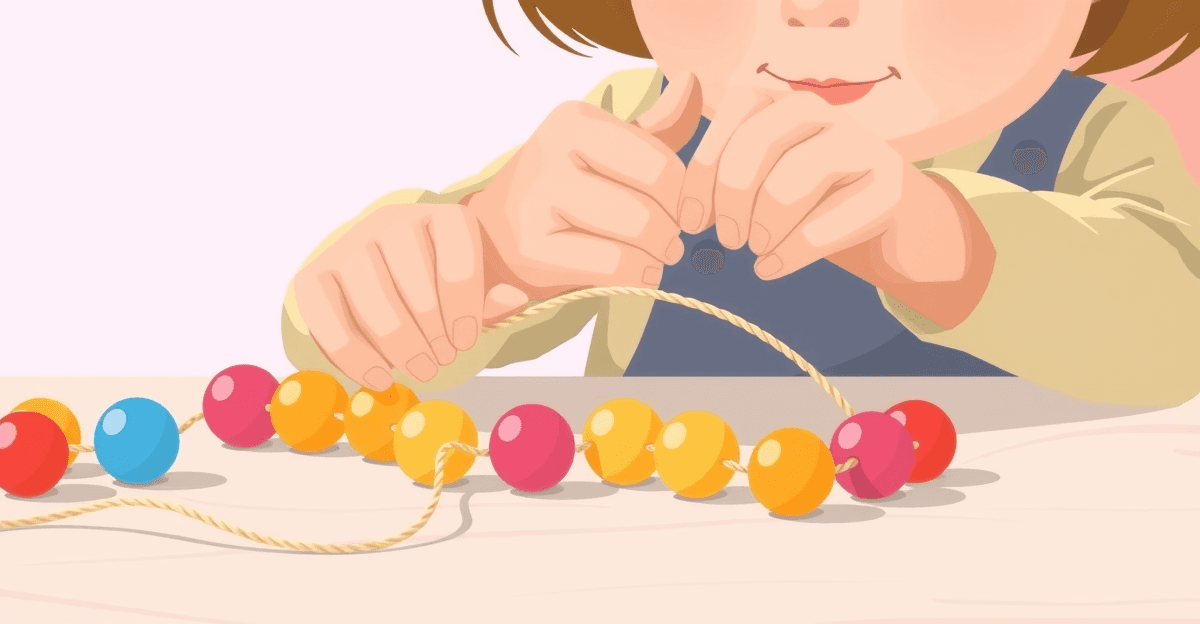
Fine Motor Skills Activities for K1 Kids in Singapore: Strengthen Little Hands
Discover practical fine motor skills activities for K1 kids in Singapore. Build hand strength, coordination & pencil grip with expert tips from local educators.

Simple Science Experiments for Singapore Preschoolers at Home
Easy, safe science experiments for Singapore preschoolers at home. 8 hands-on activities for K1-K2 kids (ages 4-6) using everyday HDB kitchen items.