Sight Words Activities for Singapore Preschoolers: Fun Ways to Build Vocabulary
Discover fun sight words activities for your Singapore preschooler. Practical ideas for K1-K2 kids aged 4-6 to build vocabulary and reading confidence at home.
Mervin Tan · Founder, QuizKin
Published 12 June 2026
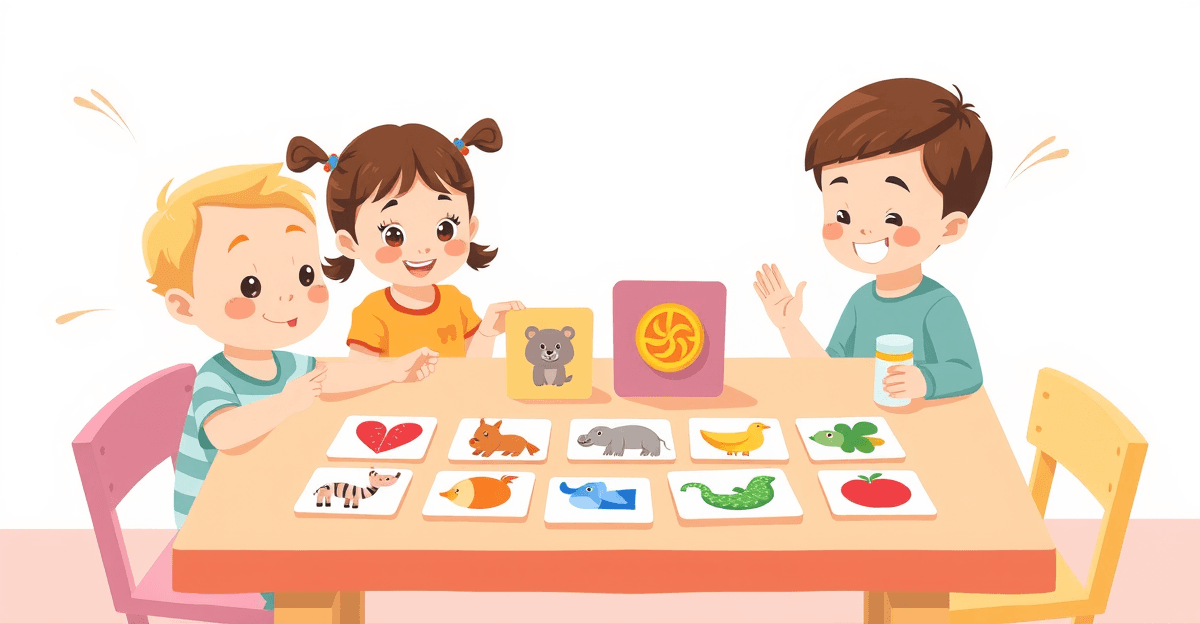
You're reading a bedtime story with your little one when they suddenly point at the page and say, "I know that word — it says the!" That moment of recognition is the magic of sight words, and it's one of the first big milestones on your child's reading journey. If you're looking for sight words activities for your preschooler in Singapore, you're already on the right track. These high-frequency words make up a large portion of everyday text, and helping your K1 or K2 child master them builds real reading confidence before Primary 1.
Key Takeaway: Sight words account for up to 75% of the words in early children's books. Teaching them through fun, play-based activities — rather than rote drilling — helps Singapore preschoolers build vocabulary faster and develop a genuine love for reading.
Why Sight Words Activities Matter for Singapore Preschoolers
Sight words are words children learn to recognise instantly, without sounding them out. Research from literacy education consistently shows that mastering just 100 high-frequency words allows a child to read approximately 50% of any English text. For Singapore preschoolers preparing for Primary 1, this is a significant advantage.
In Singapore's MOE Kindergarten (MK) curriculum — built on the Nurturing Early Learners (NEL) framework — and programmes at centres like PCF Sparkletots and My First Skool, sight words are woven into the Starlight Literacy Programme and other structured reading approaches. The focus is on building familiarity through repeated, meaningful exposure — not flash-card drills in isolation.
Here's why it matters practically: when your child can instantly recognise common words like "is," "the," "and," and "can," they spend less mental energy on decoding and more on understanding the story. This comprehension boost is exactly what lays the groundwork for reading milestones that Singapore parents should expect by ages 5 and 6.
10 Fun Sight Words Activities to Try at Home
The best sight words activities for preschoolers feel like play, not homework. Here are 10 ideas that work well in a Singapore HDB flat, condo, or anywhere with a bit of space and basic supplies.
1. Sight Word Treasure Hunt
Write sight words on sticky notes and hide them around the house. Give your child a "word list" on a piece of paper and let them hunt for matches. When they find one, they read it aloud and stick it next to the matching word on their list. Start with 5 words for K1 kids and increase to 10-12 for K2.
2. Build It with Play-Doh
Let your child roll play-doh into thin "snakes" and shape them into letters to form sight words. This combines vocabulary learning with fine motor skills development, making it a two-in-one activity. Words like "go," "me," and "up" are perfect starters since they're short and satisfying to build.
3. Splash and Read (Water Play)
Write sight words on the pavement or outdoor tiles with chalk. Hand your child a water-filled spray bottle and call out a word — they spray it to "erase" it. This works beautifully in Singapore's warm weather and gets wiggly kids moving.
4. Sight Word Bingo
Create simple bingo cards with a 3x3 or 4x4 grid of sight words. Call out words one at a time. Your child places a button or small token on the matching word. This is perfect for play dates — get 2 or 3 children playing together and it becomes a social activity too.
5. Rainbow Writing
Your child writes each sight word multiple times, using a different coloured pencil or crayon each time, layering the colours. The repetition reinforces recognition, and the rainbow effect keeps it fun. This is a popular activity in many Singapore kindergartens, including PAP Community Foundation centres.
6. Read and Swat
Spread sight word cards on the floor or table. Say a word aloud and let your child "swat" it with a clean fly swatter or their hand. The physical action creates a stronger memory link. Speed it up as their confidence grows.
7. Story Spotting
During your nightly reading time, choose one sight word and ask your child to spot it on every page. "Can you find the word and on this page?" Keep a simple tally together. Children love the detective element, and it reinforces that sight words appear everywhere in real books.
8. Magnetic Letter Match
If you have magnetic letters on the fridge (a common sight in Singapore homes), write a sight word on a card and let your child build it letter by letter with the magnets. This multi-sensory approach — seeing the word, picking up the letters, placing them — strengthens recall.
9. Sight Word Hopscotch
Draw a hopscotch grid and write a sight word in each square. Your child reads each word as they hop onto it. Swap the words weekly to keep it fresh. This is especially good for active learners who struggle to sit still during table-based activities.
10. Digital Practice with Adaptive Apps
Short, focused digital practice can reinforce sight words effectively when balanced with hands-on activities. QuizKin offers adaptive quiz practice that makes learning fun and measurable for K1-K2 kids — it adjusts to your child's level so they're always working on words that are just challenging enough. Pair 10 minutes of app-based practice with one hands-on activity from this list for a well-rounded approach. For guidance on healthy digital habits, see our guide on screen time rules for preschoolers.
Which Sight Words Should Singapore Preschoolers Learn First?
The most effective approach is to start with the highest-frequency words and build outward. Most Singapore preschool programmes draw from the Dolch Word List (220 words) and the Fry Word List (first 100 words), adapted to local reading materials.
Start with these 20 words for K1 (age 4-5):
| Group 1 | Group 2 | Group 3 | Group 4 |
|---|---|---|---|
| the | is | he | at |
| a | it | she | on |
| I | in | we | up |
| to | and | my | go |
| can | you | like | no |
Add these 20 words for K2 (age 5-6):
| Group 5 | Group 6 | Group 7 | Group 8 |
|---|---|---|---|
| said | have | this | come |
| was | they | from | make |
| are | with | had | will |
| for | his | not | into |
| that | her | but | look |
For a comprehensive breakdown organised by kindergarten level, check out our detailed guide on sight words every K1-K2 child should know.
How to Know If Your Child's Sight Words Activities Are Working
Progress tracking doesn't need to be complicated. Here are three simple ways to measure your preschooler's sight word growth:
- The 1-Minute Check: Once a week, show your child sight word cards one at a time for 60 seconds. Count how many they recognise instantly (within 2-3 seconds). Track this number over weeks — you'll see it climb.
- Reading Fluency: Listen to how your child reads familiar books. When sight words become automatic, their reading becomes smoother and less halting. This shift usually becomes noticeable after a child masters around 30-40 words.
- Spontaneous Recognition: The most exciting sign — your child starts pointing out words in the real world. On MRT signs, at the hawker centre menu, on cereal boxes. When sight words jump off the page and into daily life, the learning has stuck.
If you'd like a broader picture of your child's readiness for Primary 1, our Primary 1 readiness checklist covers all the key skills, including literacy benchmarks.
Sight Words Activities: Common Mistakes to Avoid
Even well-intentioned parents can fall into patterns that slow progress. Here are pitfalls to watch out for:
- Too many words at once. Introduce 3-5 new sight words per week maximum. Mastery of a small set is better than shallow exposure to many.
- Drilling without context. Flash cards alone won't build lasting recognition. Always pair them with activities that use the words in sentences and stories.
- Skipping review. Children need to revisit previously learned words regularly. Without review, even "mastered" words can fade. Mix old and new words in every activity session.
- Making it stressful. If your child resists or gets upset, stop and try again another day. Forced learning creates negative associations with reading. Keep sessions to 10-15 minutes for K1 and 15-20 minutes for K2.
- Ignoring phonics. Sight words and phonics learning work together. A child who only memorises whole words without any decoding skills will struggle with unfamiliar words. Balance both approaches.
How Sight Words Activities Connect to Phonics and Reading
Sight words and phonics are two sides of the same coin. Phonics gives your child the tools to decode new words by sounding out letters and blends. Sight words give them instant access to common words that don't follow standard phonics rules — words like "said," "the," and "was."
Research in early childhood literacy recommends a balanced approach: approximately 60% of reading instruction through phonics and decodable texts, and 40% through sight word recognition and whole-language exposure. Most quality Singapore preschool programmes, including MOE Kindergartens, already follow this balance.
At home, you can mirror this by alternating activities. On Monday, do a phonics-focused activity (sounding out CVC words like "cat," "dog," "pen"). On Tuesday, do a sight word activity from the list above. On Wednesday, read a book together and let both skills work naturally. This kind of varied, low-pressure routine builds the strongest foundation.
If your child is progressing well and you're thinking about further academic support for the P1 transition, TuitionLah can help you find a suitable English tutor with no agency fees — useful if you want professional guidance to complement your home activities.
Creating a Weekly Sight Words Activities Schedule
Consistency beats intensity. Here's a simple weekly plan that fits into a typical Singapore family's schedule:
| Day | Activity (10-15 min) | Focus |
|---|---|---|
| Monday | Rainbow Writing | 3 new words |
| Tuesday | Sight Word Hopscotch | Active review |
| Wednesday | Story Spotting during bedtime reading | Context & comprehension |
| Thursday | Magnetic Letter Match | Multi-sensory reinforcement |
| Friday | Sight Word Bingo (family game) | Fun review of all words |
| Weekend | Free play + adaptive quiz practice on QuizKin | Consolidation & tracking |
This gives your child six touchpoints per week without any single session feeling like a lesson. Adjust based on your family's rhythm — the key is making sight words a natural, enjoyable part of everyday life.
Final Thoughts
Teaching sight words doesn't require expensive materials, a teaching degree, or hours of dedicated time. It requires consistency, creativity, and a willingness to follow your child's lead. The best sight words activities for Singapore preschoolers are the ones your child actually wants to do again tomorrow.
Start small — pick 2-3 activities from this list, introduce 3-5 words this week, and watch your little one's confidence grow. Every word they master is a building block toward reading fluency, and every playful moment spent learning together strengthens something even more important than literacy: the belief that learning is fun.
Sources
Practise what you’ve read with QuizKin
Adaptive quizzes covering phonics, sight words, numbers, and more — aligned with the Singapore MOE curriculum. Start your free Premium trial today.
Frequently Asked Questions
Most K2 children in Singapore are expected to recognise between 50 and 100 high-frequency sight words before entering Primary 1. The exact number varies by preschool curriculum, but MOE-aligned programmes typically cover words from the Dolch and Fry lists adapted for local contexts. Focus on steady progress rather than hitting a specific number — consistency matters more than speed.
Most children are ready to begin learning sight words around age 4, which aligns with K1 in Singapore. At this stage, start with simple, high-frequency words like 'the', 'is', 'and', and 'I'. Keep sessions short (5-10 minutes) and play-based. If your child shows interest earlier, there's no harm in casual exposure through shared reading.
No, sight words and phonics are complementary but different. Phonics teaches children to decode words by sounding out letters and blends, while sight words are memorised as whole words because many don't follow regular phonics rules (e.g., 'the', 'said', 'was'). A balanced approach using both phonics and sight words gives your child the strongest reading foundation.
About the author
Mervin Tan
Founder, QuizKin
Mervin Tan is the founder of QuizKin and a software engineer and dad of two young children in Singapore. He builds QuizKin's adaptive quiz engine and writes practical K1-K2 learning guides grounded in MOE's Nurturing Early Learners framework and his own experience preparing his kids for Primary 1. QuizKin is built by Adaptels Pte. Ltd., Singapore.
Ready to make learning fun?
QuizKin turns screen time into learning time with adaptive quizzes built for K1-K2 kids in Singapore. Free to start.
Related Articles

Teaching Preschoolers to Count Money: Singapore Dollar Activities
Teaching preschoolers to count money the Singapore way — fun, hands-on Singapore dollar activities for K1-K2 kids to build real number sense and confidence.

Teaching Kids About Money at K1-K2: Simple, Effective Ways for Singapore Parents
Age-appropriate ways to introduce money concepts to Singapore children aged 4-6. From coin recognition to simple saving habits — a practical guide for K1 and K2 parents.

Outdoor Learning Ideas for Singapore Preschoolers: Gardens, Parks and Playgrounds
Discover outdoor learning ideas for Singapore preschoolers at gardens, parks and playgrounds. Fun, educational activities for K1-K2 kids aged 4-6.