Building Healthy Study Habits in Preschoolers: Singapore Parent Tips
Learn how to build healthy study habits in preschoolers with practical Singapore parent tips. Age-appropriate strategies for K1-K2 children ages 4-6.
Mervin Tan · Founder, QuizKin
Published 13 June 2026
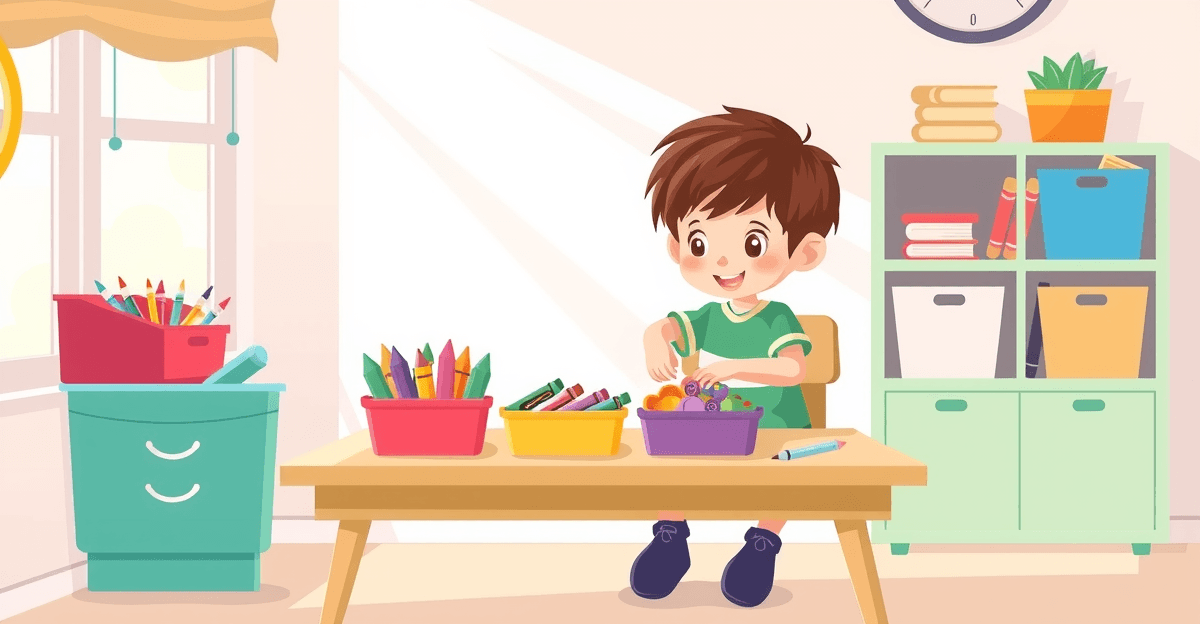
It's 7pm on a weekday evening. Your little one has just come home from childcare, and you're wondering — should we be doing worksheets? Reading? Or is playtime enough? If you've ever felt unsure about building healthy study habits in your preschooler, you're not alone. Many Singapore parents of K1 and K2 children struggle to find the balance between giving their child a head start and letting them simply be kids. The good news: healthy study habits at this age look nothing like sitting at a desk for hours. They're about creating routines, sparking curiosity, and making learning feel like the most natural thing in the world.
Key Takeaway: Healthy study habits for preschoolers are built on short, consistent routines (10-20 minutes), a positive learning environment, and play-based activities — not worksheets and drills. Start small, stay consistent, and focus on making learning enjoyable.
Why Do Healthy Study Habits Matter for Preschoolers?
Building study habits early gives children a framework for learning that lasts well beyond kindergarten. Research from Singapore's Ministry of Education highlights that children who develop positive attitudes toward learning in their preschool years adjust better to Primary 1 and show stronger academic motivation throughout primary school. This isn't about academic pressure — it's about setting a foundation.
In Singapore's education landscape, where the transition from kindergarten to primary school can feel like a big leap, children who already have basic routines around learning tend to experience less anxiety. According to the MOE Nurturing Early Learners (NEL) framework, preschool education should focus on building dispositions like curiosity, perseverance, and confidence — all of which are strengthened through consistent, positive study habits.
The key distinction: healthy study habits for preschoolers are not about content mastery. They're about learning how to learn — how to sit with a task, how to ask questions, how to try again when something is tricky.
How Long Should a Preschooler Study? Age-Appropriate Guidelines
K1-K2 children (ages 4-6) have an average attention span of 8-20 minutes, so study sessions should be short, focused, and varied. Forcing longer sessions backfires — it creates resistance and negative associations with learning.
Here's a practical guide:
| Age Group | Session Length | Sessions Per Day | Total Daily Learning |
|---|---|---|---|
| K1 (Age 4-5) | 10-15 minutes | 2-3 | 20-45 minutes |
| K2 (Age 5-6) | 15-20 minutes | 2-3 | 30-60 minutes |
These times include all structured learning — reading together, practising letters, number games, and any app-based learning. They do not include free play, which is equally important for cognitive development.
A few ground rules:
- Always end on a positive note. If your child is struggling, switch to something easier before wrapping up.
- Include movement breaks. A quick stretch, a dance, or even a trip to get water helps reset focus.
- Mix activities. Alternate between writing, reading, hands-on play, and digital learning to keep things fresh.
How to Build Healthy Study Habits in Your Preschooler: 7 Practical Tips
The most effective study habits are built through consistency, positive reinforcement, and age-appropriate expectations — not through pressure or punishment. Here are seven strategies that work well for Singapore families.
1. Create a Consistent Daily Routine
Children thrive on predictability. Set a regular time each day for learning — perhaps after afternoon snack or before dinner. It doesn't need to be rigid, but having a general rhythm helps your child know what to expect.
A sample after-school routine might look like:
- 5:00pm — Arrive home, free play
- 5:30pm — Snack time
- 5:45pm — Learning time (15 minutes)
- 6:00pm — Free play or outdoor time
- 6:30pm — Dinner
The specific timing matters less than the consistency. Over weeks, your child will naturally settle into the routine without resistance.
2. Set Up a Dedicated Learning Space
You don't need a study room. A small corner of the dining table or a child-sized desk works perfectly. What matters is that the space is:
- Quiet and free from distractions (turn off the TV)
- Well-lit and comfortable
- Stocked with materials (crayons, paper, books, a tablet if used)
Having a consistent spot signals to your child's brain: "This is where we focus." Many parents in HDB flats create a simple learning nook using a small shelf and table — it doesn't take much space to make a big difference.
3. Follow Your Child's Interests
If your little one is obsessed with dinosaurs, use dinosaurs to teach counting, letter recognition, and even early reading skills. Interest-led learning creates deeper engagement and better retention.
Ask your child what they want to learn about. Give them choices: "Would you like to practise letters or do a number puzzle today?" This sense of autonomy builds intrinsic motivation — a far more powerful driver than external rewards.
4. Use the "Play First, Practice Second" Approach
Before any structured learning, let your child play freely for at least 20-30 minutes after arriving home. Children who've been in a structured environment all day at preschool need that decompression time. Jumping straight into worksheets after a full day at PCF Sparkletots or My First Skool is a recipe for meltdowns.
Think of free play as the warm-up that makes focused learning possible.
5. Make Learning Multisensory
Preschoolers learn best when multiple senses are engaged. Instead of only writing letters on paper, try:
- Tracing letters in a tray of sand or rice
- Building numbers with playdough
- Singing phonics songs together
- Using fine motor activities that double as letter practice
Multisensory learning isn't just more fun — studies show it activates more areas of the brain and improves memory retention in young children.
6. Celebrate Effort, Not Just Results
When your child attempts a challenging task, praise the process: "I love how you kept trying even when it was hard!" rather than "You're so smart!" This builds a growth mindset — the belief that abilities can be developed through effort.
In Singapore's achievement-oriented culture, this can be a conscious shift. But research consistently shows that children praised for effort are more willing to take on challenges and less likely to give up when things get difficult.
7. Incorporate Short Digital Learning Sessions
Used thoughtfully, educational apps can reinforce what your child is learning at preschool. The key is choosing tools that adapt to your child's level. QuizKin, for example, offers adaptive quiz practice that makes learning fun and measurable for K1-K2 kids — your child gets questions matched to their ability, so they're always in that sweet spot between too easy and too hard.
Keep digital learning sessions to 10-15 minutes and always balance them with offline activities. For more guidance on managing technology, check out our guide on screen time rules for preschoolers.
What Does a Healthy Study Habits Routine Look Like for K2 Children?
For K2 children preparing for Primary 1, healthy study habits should gradually introduce slightly more structure while keeping learning enjoyable and stress-free. This is the year many Singapore parents start thinking about Primary 1 readiness, and a solid routine helps ease that transition.
A balanced K2 weekly routine might include:
- Monday to Friday: 15-20 minutes of focused learning (rotating between literacy, numeracy, and general knowledge)
- Weekend: One longer activity (30 minutes) such as a library visit, science exploration, or a fun quiz session
- Daily: 15 minutes of reading together before bed
What to cover in those focused sessions:
- Literacy: Practising sight words, phonics, and simple sentence reading
- Numeracy: Counting, number bonds to 10, simple addition and subtraction, pattern recognition
- Life skills: Writing their name, tying shoelaces, following multi-step instructions
The goal isn't to drill Primary 1 content early. It's to build the habits — sitting down, focusing, completing a task, and feeling good about it — that will serve your child when school begins.
Common Mistakes Singapore Parents Make with Preschooler Study Habits
Even well-meaning parents can inadvertently create negative associations with learning by pushing too hard, too soon. Here are pitfalls to avoid:
Comparing with Other Children
"Auntie's daughter can already read full sentences" — this kind of comparison is deeply ingrained in Singapore's kiasu culture, but it damages your child's confidence. Every child develops at their own pace. Focus on your child's individual progress.
Overloading the Schedule
Between enrichment classes, tuition, and home practice, some preschoolers have schedules busier than working adults. If your child is attending kindergarten full-day plus multiple enrichment classes, there may be little energy left for home learning — and that's okay. Quality matters more than quantity.
If you're considering additional learning support, TuitionLah can help you find a suitable tutor without agency fees — but at the preschool stage, most children benefit more from consistent parenting routines than formal tuition.
Turning Every Moment into a "Teaching Moment"
It's tempting to quiz your child on letters during every car ride or turn every meal into a counting exercise. But children also need unstructured time to process, imagine, and simply be. Protect their downtime — it's when deep learning consolidates.
Using Rewards as Bribes
"Finish this worksheet and you can watch TV" teaches your child that learning is an unpleasant task to be endured for a reward. Instead, make the learning activity itself enjoyable. When learning is intrinsically motivating, you won't need bribes.
How to Build Healthy Study Habits That Support Resilience
Children who develop healthy study habits alongside emotional resilience are better equipped to handle academic challenges in primary school and beyond. Study habits and resilience go hand in hand — when your child learns to persist through a tricky puzzle or try a different approach when the first one doesn't work, they're building both.
Practical ways to nurture this connection:
- Normalise mistakes. Say things like, "Oops, that didn't work! What else could we try?" Model making mistakes yourself and responding positively.
- Gradually increase challenge. Start with tasks your child can easily complete, then slowly introduce harder ones. Adaptive learning tools do this automatically — QuizKin adjusts difficulty based on your child's responses, keeping them challenged without overwhelming them.
- Teach "stop and think" strategies. When your child feels stuck, encourage them to pause, take a breath, and think about what they already know. This simple habit transfers powerfully to future academic settings.
For more strategies, read our guide on building resilience in preschoolers.
Quick Checklist: Are Your Child's Study Habits Healthy?
Use this checklist to assess whether you're on the right track:
- ☐My child has a regular time for learning each day
- ☐Learning sessions are 20 minutes or shorter
- ☐My child gets free play time before and after structured learning
- ☐I praise effort and strategies, not just correct answers
- ☐My child has some choice in what they learn
- ☐Learning involves a mix of activities (not just worksheets)
- ☐My child generally looks forward to learning time (most days)
- ☐I avoid comparing my child's progress with peers
If you can tick at least five of these, you're doing a great job. If not, pick one area to improve this week — small changes add up.
Final Thoughts
Building healthy study habits in your preschooler isn't about cramming knowledge or getting ahead of the curve. It's about creating a warm, consistent space where your child associates learning with curiosity, confidence, and joy. In Singapore's fast-paced education environment, this is perhaps the greatest gift you can give your little one — the belief that learning is something wonderful, not something to fear.
Start with one small habit this week. Maybe it's ten minutes of reading together after dinner, or a short quiz game on a Saturday morning. Keep it light, keep it fun, and trust that these small, daily moments are laying a foundation that will carry your child far.
Sources
Practise what you’ve read with QuizKin
Adaptive quizzes covering phonics, sight words, numbers, and more — aligned with the Singapore MOE curriculum. Start your free Premium trial today.
Frequently Asked Questions
For K1 children (age 4-5), aim for two to three focused learning sessions of 10-15 minutes each day. K2 children (age 5-6) can handle slightly longer sessions of 15-20 minutes. Always include breaks and mix in hands-on activities to keep your child engaged without causing burnout.
Most preschoolers in Singapore are freshest in the morning after breakfast or after an afternoon nap. Avoid scheduling study time right before bed or immediately after a long day at childcare. Observe when your child is naturally alert and curious — that's their optimal learning window.
Turn learning into play by using games, songs, and hands-on activities. Let your child choose between two activities rather than dictating the agenda. Celebrate effort over results — praise them for trying, not just for getting answers right. Adaptive learning tools like QuizKin can also help by adjusting to your child's level so they stay challenged but never frustrated.
About the author
Mervin Tan
Founder, QuizKin
Mervin Tan is the founder of QuizKin and a software engineer and dad of two young children in Singapore. He builds QuizKin's adaptive quiz engine and writes practical K1-K2 learning guides grounded in MOE's Nurturing Early Learners framework and his own experience preparing his kids for Primary 1. QuizKin is built by Adaptels Pte. Ltd., Singapore.
Ready to make learning fun?
QuizKin turns screen time into learning time with adaptive quizzes built for K1-K2 kids in Singapore. Free to start.
Related Articles
Outdoor Learning Ideas for Singapore Preschoolers: Gardens, Parks and Playgrounds
Discover outdoor learning ideas for Singapore preschoolers at gardens, parks and playgrounds. Fun, educational activities for K1-K2 kids aged 4-6.

Best Podcasts for Singapore Parents on Education
The best podcasts for Singapore parents on education — expert-backed shows on K1-K2 learning, child development, and Primary 1 readiness you can play on the MRT.
Best Board Games for Learning: Singapore Preschooler Picks
Discover the best board games for learning in Singapore for K1-K2 kids (ages 4-6). Parent-tested picks that build maths, literacy & social skills through play.