Outdoor Learning Ideas for Singapore Preschoolers: Gardens, Parks and Playgrounds
Discover outdoor learning ideas for Singapore preschoolers at gardens, parks and playgrounds. Fun, educational activities for K1-K2 kids aged 4-6.
Mervin Tan · Founder, QuizKin
Published 11 June 2026
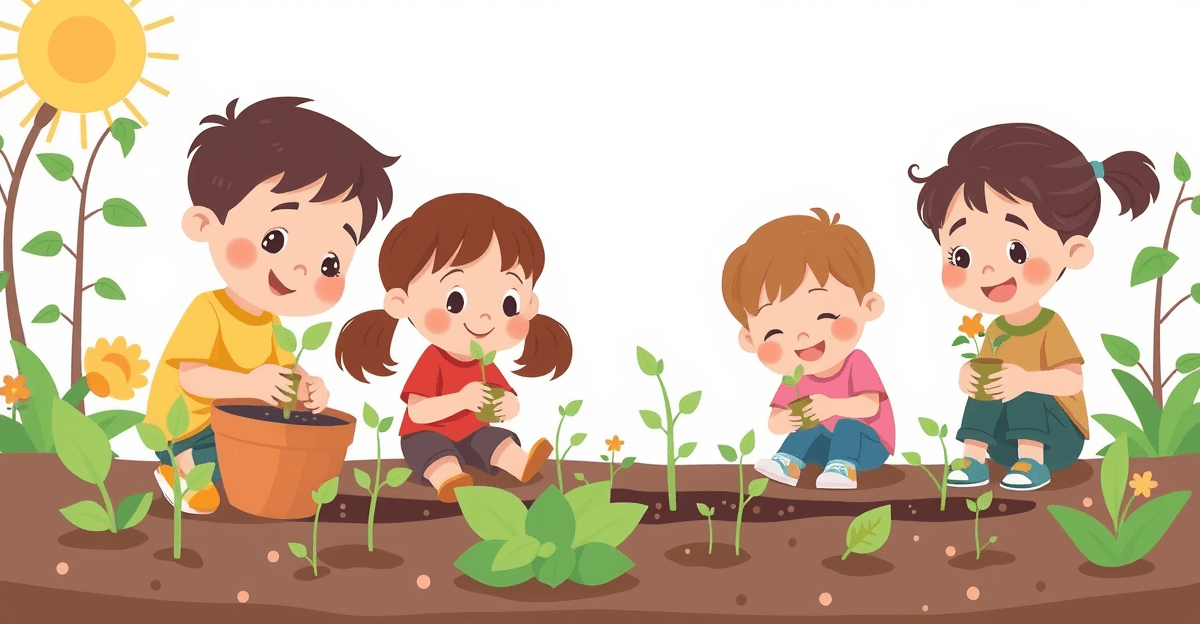
Picture this: it's Saturday morning and your little one is already glued to the tablet. You know there's a better way to spend the weekend — one that's fun and educational. The good news? Singapore is packed with opportunities for outdoor learning for preschoolers, from world-class gardens to thoughtfully designed neighbourhood playgrounds. Every green space in our city is a ready-made classroom, and your K1 or K2 child is at the perfect age to soak it all in.
Key Takeaway: Children aged 4–6 learn best through hands-on, multi-sensory experiences. Regular outdoor learning improves attention span by up to 20%, builds vocabulary 2–3x faster than flashcard drills, and develops the gross and fine motor skills your child needs for Primary 1 readiness — all while having fun in Singapore's incredible green spaces.
Why Outdoor Learning Matters for Singapore Preschoolers
Outdoor learning is not just "free play" — it is structured exploration that builds cognitive, social, and physical skills simultaneously. According to Singapore's NEL (Nurturing Early Learners) framework, which guides the MOE kindergarten curriculum, children learn best through purposeful play in real-world contexts.
Here's what the research shows:
- Attention and focus: A University of Michigan study found that children who spent just 20 minutes in a natural setting showed a 20% improvement in concentration tasks compared to indoor-only peers.
- Language development: Children exposed to nature-based learning acquire new vocabulary words 2–3 times faster because they encounter real objects — leaves, insects, textures — rather than abstract pictures.
- Physical development: Climbing, balancing, and running on uneven terrain strengthens the gross motor skills that support classroom posture and fine motor tasks like writing and cutting.
- Social-emotional growth: Negotiating turns on a rope bridge or collaborating to build a stick tower develops the social skills your preschooler needs for group work in Primary 1.
Singapore's Ministry of Education explicitly encourages outdoor exploration in its MOE Kindergarten programme, with dedicated "Weeks of Wonder" projects that take children outside the classroom. Whether your child attends a PCF Sparkletots centre, My First Skool, or a private kindergarten, outdoor learning complements what they're already doing in school.
Best Singapore Gardens for Preschool Outdoor Learning
Singapore's gardens aren't just beautiful — they're designed for discovery. Here are the top picks for meaningful outdoor learning with your 4- to 6-year-old.
Gardens by the Bay — Children's Garden
The Children's Garden at Gardens by the Bay is purpose-built for young learners. It's free to enter and features a water play area, sensory garden, and adventure trail. For K1–K2 children, try these activities:
- Leaf scavenger hunt: Before your visit, create a simple checklist with shapes (round leaf, long leaf, heart-shaped leaf). Your child practises observation, classification, and early literacy by matching real leaves to pictures.
- Counting garden creatures: Challenge your child to count ladybirds, butterflies, or ants. This reinforces one-to-one correspondence — a key numeracy skill in the MOE kindergarten curriculum.
- Texture walk: Have your child close their eyes and feel tree bark, flower petals, and smooth stones. Ask, "Which is rough? Which is smooth?" This builds descriptive vocabulary and sensory awareness.
Pro tip: Visit on weekday mornings (before 10am) to beat the crowds and the heat. Bring a small notebook for your child to draw what they see — this builds pre-writing skills naturally.
Singapore Botanic Gardens — Jacob Ballas Children's Garden
Jacob Ballas is Southeast Asia's first children's garden, and it's a goldmine for outdoor learning. The garden is themed around the journey of a plant — from seed to fruit — which aligns perfectly with NEL science and discovery learning areas.
- Farm-to-table trail: Walk through the fruit and spice garden. Let your child smell pandan leaves, lemongrass, and curry leaves. Ask, "Have you tasted this before? Where?" Connecting nature to daily life builds critical thinking.
- Suspension bridge challenge: The adventure playground here develops balance, coordination, and risk assessment — all essential for physical confidence in Primary 1.
- Story time under the trees: Bring a picture book about nature and read it in nature. The multi-sensory experience deepens comprehension and builds a love of reading that supports age-appropriate milestones.
HortPark — Gardening with Kids
HortPark runs regular children's gardening workshops where your little one can pot plants, learn about composting, and get their hands genuinely dirty. Gardening teaches patience, responsibility, and basic science concepts like "plants need sunlight and water to grow."
How to Turn Any Singapore Playground into an Outdoor Learning Space
You don't need a world-class garden for outdoor learning — your neighbourhood playground works brilliantly too. Singapore's HDB playgrounds and park connectors are everywhere, making daily outdoor learning accessible for every family.
Numeracy at the Playground
- Slide counting: "Let's count how many steps to the top of the slide!" Practise counting to 20 and beyond.
- Shape spotting: "Can you find a circle? A triangle? A rectangle?" Playground equipment is full of geometric shapes.
- Comparison language: "Is the blue slide longer or shorter than the red one?" "Are you higher or lower than that branch?" This builds mathematical vocabulary naturally.
Literacy at the Playground
- Letter hunt: Spot letters on signboards, bin labels, and playground rules. "What letter does 'STOP' start with?" This reinforces sight word recognition and phonics skills in a real-world context.
- Story starters: "Imagine a dragon lives under this slide. What happens next?" Outdoor settings spark richer imaginative narratives than indoor prompts.
- Nature journal: Give your child a clipboard and crayons. Even scribble-drawings of "what I saw at the park" build pre-writing muscles and narrative sequencing.
Science and Discovery
- Shadow play: Visit the playground at different times and trace your child's shadow with chalk. "Why is your shadow longer now?" introduces basic science concepts about light and the sun.
- Bug detective: Bring a magnifying glass and explore what lives under leaves, near tree roots, and around puddles. Your child learns observation, hypothesis-making, and respect for living things.
- Weather watchers: Before heading out, check the sky together. "Do you think it will rain? Why?" Predicting weather builds reasoning skills and connects to the NEL learning area of discovery of the world.
Outdoor Learning Activities Organised by Developmental Area
Here's a quick-reference guide for parents who want to be intentional about what their child is learning outdoors:
| Developmental Area | Outdoor Activity | Where in Singapore |
|---|---|---|
| Numeracy | Count steps, sort leaves by size, compare heights | Any playground or park |
| Literacy | Nature journal, letter hunt, storytelling | Botanic Gardens, neighbourhood parks |
| Science | Bug observation, planting seeds, shadow tracing | HortPark, Gardens by the Bay |
| Gross motor | Climbing, balancing, running on trails | Jacob Ballas, Admiralty Park playground |
| Fine motor | Picking up small stones, threading leaves, drawing | Any green space |
| Social skills | Turn-taking at playground, group nature walks | Community playgrounds, organized nature groups |
Balancing Outdoor Learning with Structured Practice for K1–K2 Kids
Outdoor learning is powerful, but it works best when paired with consistent, structured practice — especially for K1 and K2 children building foundational literacy and numeracy skills. After a morning at the park counting butterflies and spotting shapes, your child can reinforce those concepts at home with short, focused practice sessions.
This is where adaptive quiz practice that makes learning fun and measurable for K1–K2 kids becomes a natural complement. A tool like QuizKin adjusts to your child's level — so if they've been counting leaves up to 10 at the park, their practice questions gradually progress to 20 and beyond. The outdoor experience provides context and excitement; structured practice builds fluency and confidence.
The key is balance. Experts recommend that K1–K2 children spend no more than 30–60 minutes per day on structured learning, with the rest devoted to play-based exploration — including outdoor time. Check out our guide to healthy screen time limits for preschoolers for practical tips on managing that balance.
Practical Tips for Outdoor Learning in Singapore's Climate
Singapore's tropical weather is both a blessing (green spaces year-round!) and a challenge (heat, humidity, sudden downpours). Here's how to make outdoor learning comfortable and safe:
- Time it right. Head out before 10am or after 4pm. The UV index in Singapore regularly exceeds 10 during midday — well above the "very high" threshold.
- Hydrate proactively. Offer water every 15–20 minutes, not just when your child says they're thirsty. A 5-year-old needs about 1–1.2 litres of water daily, and more during active outdoor play.
- Dress smart. Lightweight, light-coloured clothing with a wide-brimmed hat. Apply SPF 50 sunscreen 15 minutes before heading out.
- Have a rain plan. Singapore averages 167 rain days per year. When the sky opens up, pivot to "rain science" — watch puddles form, listen to rain sounds, count seconds between lightning and thunder (from a sheltered spot).
- Insect awareness. Apply mosquito repellent, especially near standing water. Teach your child to observe insects without touching — this builds both safety awareness and scientific respect.
- Keep sessions short. For 4- to 6-year-olds, 45–90 minutes of focused outdoor learning is ideal. Longer sessions lead to fatigue and meltdowns, which help nobody.
How Outdoor Learning Supports Primary 1 Readiness
If you're thinking ahead to your child's transition to Primary 1, outdoor learning builds many of the skills on the P1 readiness checklist. MOE's Primary 1 orientation assessments look at:
- Listening and following multi-step instructions — "Walk to the big tree, pick up three leaves, and bring them back" is a fun outdoor task that practises exactly this.
- Basic numeracy concepts — counting, comparing, sorting, and patterning all happen naturally during outdoor play.
- Social cooperation — sharing equipment, taking turns, and working together on group challenges.
- Self-regulation — managing frustration when the kite won't fly or the sandcastle collapses builds the resilience your child needs for school life.
- Physical readiness — the stamina to sit at a desk for 30 minutes starts with the strength built through active outdoor play.
If you're exploring additional support to prepare your child for Primary 1, TuitionLah helps you find experienced early childhood tutors with no agency fees — a useful resource if your child needs targeted help in specific areas.
Weekend Outdoor Learning Plan for Singapore Families
Here's a simple, repeatable weekend structure that balances outdoor learning with rest and play:
Saturday Morning (8:30am – 10:00am)
- Visit a garden or park
- Do 2–3 guided activities (counting, observing, storytelling)
- Free play for 20 minutes
Saturday Afternoon
- Nature journal time: draw or write about the morning's discoveries
- 15–20 minutes of adaptive quiz practice reinforcing concepts from the outing
Sunday
- Neighbourhood playground visit with a specific focus (shapes this week, letters next week)
- Family walk along a park connector — Singapore has over 300km of them
This rhythm gives your child the outdoor learning benefits backed by research, while leaving plenty of room for unstructured play and family time.
Making the Most of Outdoor Learning for Singapore Preschoolers
Your child doesn't need expensive enrichment classes to learn and grow. Singapore's gardens, parks, and playgrounds offer some of the richest learning environments available — for free. The key is showing up with intention: a simple question to ask, a small challenge to try, or even just a magnifying glass and a sense of curiosity.
Start small. Pick one park this weekend and try one activity from this guide. Watch how your child lights up when learning happens through real experience rather than worksheets. That spark of curiosity — nurtured outdoors and reinforced through consistent, adaptive practice at home — is exactly what sets your little one up for a confident start to their learning journey.
Sources
Practise what you’ve read with QuizKin
Adaptive quizzes covering phonics, sight words, numbers, and more — aligned with the Singapore MOE curriculum. Start your free Premium trial today.
Frequently Asked Questions
Gardens by the Bay, HortPark, Botanic Gardens, and Jurong Lake Gardens are excellent for outdoor learning with preschoolers in Singapore. Each offers guided children's programmes, nature trails suitable for small legs, and hands-on discovery areas. Many are free or low-cost, making them perfect for regular weekend visits.
Plan outdoor activities before 10am or after 4pm to avoid peak UV hours. Bring plenty of water, apply SPF 50 sunscreen, and use a hat and lightweight long sleeves. Take frequent shade breaks — most Singapore parks have sheltered pavilions. Watch the NEA weather forecast and have an indoor backup plan for haze or rain days.
Yes — outdoor learning builds many skills assessed during Primary 1 readiness, including problem-solving, social cooperation, vocabulary development, and basic numeracy like counting and sorting. Research shows children who engage in regular nature play demonstrate stronger attention spans and self-regulation, both critical for classroom learning in Primary 1 and beyond.
About the author
Mervin Tan
Founder, QuizKin
Mervin Tan is the founder of QuizKin and a software engineer and dad of two young children in Singapore. He builds QuizKin's adaptive quiz engine and writes practical K1-K2 learning guides grounded in MOE's Nurturing Early Learners framework and his own experience preparing his kids for Primary 1. QuizKin is built by Adaptels Pte. Ltd., Singapore.
Ready to make learning fun?
QuizKin turns screen time into learning time with adaptive quizzes built for K1-K2 kids in Singapore. Free to start.
Related Articles

Building Healthy Study Habits in Preschoolers: Singapore Parent Tips
Learn how to build healthy study habits in preschoolers with practical Singapore parent tips. Age-appropriate strategies for K1-K2 children ages 4-6.

Best Podcasts for Singapore Parents on Education
The best podcasts for Singapore parents on education — expert-backed shows on K1-K2 learning, child development, and Primary 1 readiness you can play on the MRT.
Best Board Games for Learning: Singapore Preschooler Picks
Discover the best board games for learning in Singapore for K1-K2 kids (ages 4-6). Parent-tested picks that build maths, literacy & social skills through play.