Spaced Repetition for Young Learners in Singapore
A warm, evidence-based guide to spaced repetition for young learners in Singapore — how K1-K2 parents can help kids ages 4-6 remember more, the gentle way.
Mervin Tan · Founder, QuizKin
Published 27 June 2026
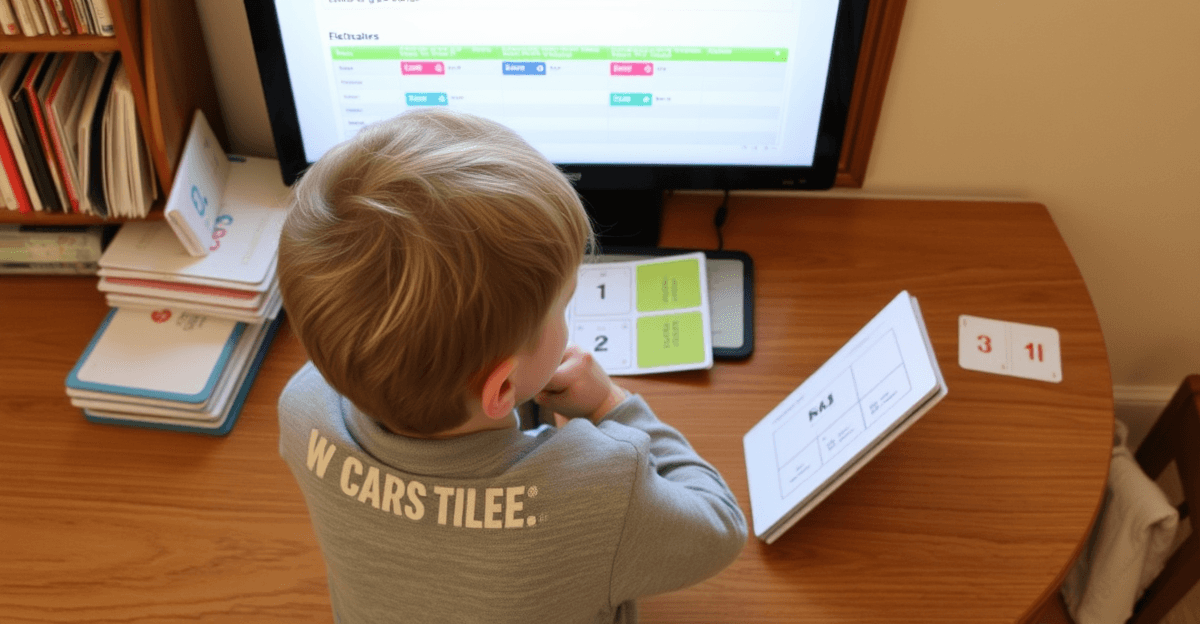
Picture this: your K2 child confidently counted to twenty last week, but this morning they stumbled at thirteen. Or those sight words they "knew" for the spelling list seem to have vanished by the weekend. If this feels familiar, you are not alone — and your child is not falling behind. The issue is rarely how hard your little one tries; it is when and how often they revisit what they have learned. This is exactly where spaced repetition for young learners becomes a quiet superpower for Singapore parents, helping children ages 4-6 hold on to new words, numbers, and concepts for far longer.
In this guide, we will explain what spaced repetition is, why it works so well for young brains, and how you can use it at home in just a few minutes a day — without tears, drills, or pressure.
Key Takeaway (TL;DR)
Spaced repetition means reviewing the same material in short sessions across growing time gaps (e.g. today, in 2 days, then in a week) instead of cramming it all at once. For K1-K2 children in Singapore, this can improve long-term memory significantly while keeping learning light and fun. Aim for 5-15 minutes a day, tie it to daily routines, and let your child's confidence — not the clock — set the pace.
What Is Spaced Repetition for Young Learners?
Spaced repetition is a learning method where information is reviewed at increasing intervals over time, so the brain is gently reminded of a fact just as it is about to forget it. For young learners, this simply means revisiting a handful of words, numbers, or sounds across several short sessions rather than one long one. The result is stronger, longer-lasting memory with far less effort.
The science behind it is over a century old. In the 1880s, German psychologist Hermann Ebbinghaus mapped what he called the "forgetting curve" — showing that we forget roughly 50-80% of newly learned information within a day or two if we never revisit it. Spaced repetition flattens that curve. Each time your child successfully recalls something after a gap, the memory becomes more durable, and the next gap can be longer.
Definitive statement: Decades of cognitive research confirm that spacing study sessions out over time produces dramatically better long-term retention than massing them together — an effect so reliable that scientists call it the "spacing effect."
For a four- or five-year-old, you do not need flashcards or apps to start. You need only the willingness to revisit the same five sight words today, again on Thursday, and once more next week — instead of drilling all twenty in one frustrating Sunday afternoon.
Why Spaced Repetition Works So Well for K1-K2 Children
Young children's brains are wired for repetition, but they also tire quickly and lose focus within minutes. Spaced repetition fits this stage perfectly: it uses short, frequent bursts that match a preschooler's attention span while building the deep neural pathways that support reading and number sense. In short, it works with your child's developing brain rather than against it.
Here is why it is especially powerful for the 4-6 age group in Singapore:
- Short attention spans become an advantage. Most preschoolers can concentrate for only 2-5 minutes per year of age. A 5-year-old may focus well for about 10-15 minutes at most. Spaced repetition's tiny sessions respect this limit instead of fighting it.
- It reduces pressure and anxiety. Because each session is brief and familiar, your child experiences small, repeated wins rather than one overwhelming test. This matters in Singapore's achievement-focused culture — and you can read more in our guide to Reducing Test Anxiety in Preschoolers.
- It supports MOE foundational skills. Singapore's Nurturing Early Learners (NEL) Framework emphasises numeracy, language, and literacy through joyful, hands-on learning. Spaced repetition is a natural fit for reinforcing sight words, letter sounds, and number bonds the gentle way.
- It builds the habit, not just the knowledge. Children who learn in little-and-often bursts develop a calm, positive relationship with learning — a quiet asset when they eventually face Primary 1 and beyond.
Definitive statement: For children ages 4-6, three 5-minute review sessions spread across a week will almost always outperform one 15-minute session crammed into a single day.
How to Use Spaced Repetition at Home in Singapore
You do not need special equipment or a teaching background to start spaced repetition with young learners. The core idea is simple: pick a small set of items, review them today, then revisit them after gradually longer gaps — typically Day 1, Day 3, Day 7, and Day 14. Below is a practical, parent-tested approach.
Step 1: Keep the set small
Choose just 3-5 items at a time — five sight words, five number facts, or five letter sounds. A small set means quick wins and no overwhelm. The official MOE-aligned sight words list is a great place to start for literacy.
Step 2: Use a simple spacing schedule
A schedule any Singapore parent can follow:
| Review | When | What it does |
|---|---|---|
| 1st | Today | Introduce the items |
| 2nd | In 2 days | Catch them before forgetting |
| 3rd | In 1 week | Strengthen the memory |
| 4th | In 2 weeks | Lock it into long-term memory |
If your child recalls an item instantly and confidently three times in a row, you can "retire" it and add a new one. If they struggle, simply shorten the gap and try again tomorrow — no fuss.
Step 3: Anchor it to daily routines
The easiest way to stay consistent is to attach reviews to things you already do. Singapore family life offers plenty of natural moments:
- On the way to preschool (PCF Sparkletots, My First Skool, or your neighbourhood kindergarten): count red cars or name letters on signboards.
- At the hawker centre: practise number bonds while waiting for food — "If we need 6 chopsticks and we have 4, how many more?"
- At bedtime: a two-minute sight-word recap before the bedtime story.
Step 4: Make recall playful, not a test
The magic ingredient of spaced repetition is active recall — letting your child retrieve the answer themselves before you help. Turn it into a game: hide-and-seek with word cards, a hopscotch number grid, or a silly voice for each letter sound. Pair this with fine motor activities for K1 kids like tracing words in a sand tray, and you reinforce memory and writing readiness at the same time.
Step 5: Let a tool do the scheduling for you
Tracking who-needs-reviewing-when by hand can get tricky once your child knows dozens of words. This is where structured, adaptive tools help. QuizKin offers adaptive quiz practice that makes learning fun and measurable for K1-K2 kids — it automatically spaces out the questions your child finds tricky and eases off the ones they have mastered, so every short session targets exactly what your little one needs. You stay in the loop with simple progress snapshots, without having to manage flashcards yourself.
If you are weighing up digital options, our roundup of the best educational apps for 4-year-olds in Singapore and our screen time guide for preschoolers can help you keep technology balanced and healthy.
Spaced Repetition and Primary 1 Readiness
Spaced repetition is one of the most effective ways to build the durable foundational skills that smooth the transition to Primary 1. Because it locks knowledge into long-term memory, your child arrives in P1 genuinely knowing their sight words and number bonds — not just recognising them for a week. This confidence is a gift far more valuable than any single worksheet.
In Singapore, the jump from kindergarten to Primary 1 can feel daunting for both children and parents. Skills like reading common words, counting and comparing numbers, and recognising letters are exactly the kind of "little-and-often" content that spaced repetition serves best. To see where your child stands, our Primary 1 Readiness 30-skills checklist and our overview of K2 maths assessment expectations map out the milestones clearly.
It is worth keeping perspective, too. The PSLE may dominate dinner-table conversations, but for a 4- to 6-year-old the goal is simply to build a warm, confident relationship with learning. Spaced repetition supports that by making progress feel achievable and stress-free. If you are also navigating preschool admissions, our guide on preparing your child for a kindergarten interview pairs nicely with these memory habits.
Definitive statement: Spaced repetition does not push young children ahead of their years — it helps them genuinely retain what they are already meant to learn, which is precisely what builds confidence for Primary 1.
Common Mistakes Singapore Parents Make (and How to Avoid Them)
Even with the best intentions, a few habits can quietly undermine spaced repetition. The most common is cramming everything before a school assessment, which feels productive but leads to fast forgetting. Here is how to keep your approach effective and joyful.
- Mistake 1: Cramming before a test. Long, last-minute sessions are the opposite of spacing. Instead, start a week or two early with tiny daily reviews.
- Mistake 2: Sessions that are too long. A tearful 30-minute drill teaches your child that learning is unpleasant. Cap it at 5-15 minutes and stop while it is still fun.
- Mistake 3: Too many items at once. Twenty new words will overwhelm a K1 child. Five at a time is the sweet spot.
- Mistake 4: Always giving the answer. Resist the urge to jump in. Give your child a few seconds to retrieve the answer themselves — that effort is what strengthens memory.
- Mistake 5: Comparing your child to others. Every child's pace is different. Track your child's progress over time, not against the neighbour's daughter.
If you would like extra support, a friendly tutor can model these gentle techniques — you can find a tutor for free with TuitionLah (no agency fees) for early-years learning help. And for enrichment classes or learning resources at better prices, WhyNotDeals lists the latest education and family deals in Singapore.
Remember, spaced repetition also reinforces broader development. Pair it with reading aloud — see our reading milestones guide for ages 4-6 — and plenty of play that builds social skills in preschoolers. A well-rounded child is a confident learner.
Putting It All Together
Spaced repetition for young learners is not about turning your living room into a classroom. It is about a few mindful minutes a day, spread across the week, that quietly transform what your child remembers. Start small: pick five words or numbers, review them today, in two days, and next week — and watch how much more sticks.
Your little one is not meant to remember everything the first time. With gentle spacing, warm encouragement, and a touch of play, you are giving your child both lasting knowledge and a lifelong love of learning. That is the real win — long before the PSLE ever enters the picture.
Sources
- MOE Nurturing Early Learners (NEL) Framework — Singapore's official kindergarten curriculum framework for ages 4-6.
- MOE Kindergarten and Early Childhood Education — Ministry of Education overview of preschool and early learning in Singapore.
- Early Childhood Development Agency (ECDA) — Singapore's regulatory and resource body for preschool and early childhood matters.
- HealthHub Singapore — Is My Child Developing Well? — Government health resource on attention span and developmental milestones for young children.
- The Learning Scientists — Spaced Practice — Cognitive psychologists' evidence summary on spaced practice and how it improves long-term retention.
- Cepeda et al. (2008) — Spacing Effects in Learning: A Temporal Ridgeline of Optimal Retention — Landmark Psychological Science study on the optimal spacing of study sessions for long-term memory.
- QuizKin — Adaptive quiz practice that makes learning fun and measurable for K1-K2 children in Singapore.
Practise what you’ve read with QuizKin
Adaptive quizzes covering phonics, sight words, numbers, and more — aligned with the Singapore MOE curriculum. Start your free Premium trial today.
Frequently Asked Questions
No — children ages 4-6 benefit greatly from spaced repetition, as long as it is playful and short. At this age, you are not asking your child to 'study'; you are simply revisiting familiar words, numbers, or sounds across a few days instead of all at once. Keep each review to 5-10 minutes and tie it to daily routines like the drive to preschool or bedtime.
Normal revision often means going over everything in one long sitting, usually the night before. Spaced repetition spreads the same material across several shorter sessions with growing gaps — for example, today, in two days, then next week. Research shows this spacing can dramatically improve long-term memory compared to cramming, and it works especially well for young children who tire quickly.
For K1-K2 children, 5-15 minutes a day is plenty. Young children learn best in short, frequent bursts rather than long sessions. A few sight words at breakfast, counting on the bus, or a quick quiz before bed adds up to powerful learning over a week without ever feeling like 'work' for your little one.
About the author
Mervin Tan
Founder, QuizKin
Mervin Tan is the founder of QuizKin and a software engineer and dad of two young children in Singapore. He builds QuizKin's adaptive quiz engine and writes practical K1-K2 learning guides grounded in MOE's Nurturing Early Learners framework and his own experience preparing his kids for Primary 1. QuizKin is built by Adaptels Pte. Ltd., Singapore.
Ready to make learning fun?
QuizKin turns screen time into learning time with adaptive quizzes built for K1-K2 kids in Singapore. Free to start.
Related Articles

Learning Milestones for K1 Kids: What to Expect at Age 5
A warm, evidence-based guide to learning milestones for K1 kids in Singapore. What your 5-year-old should know in literacy, numeracy, social and motor skills.
Fun Maths Activities for K1-K2 Kids in Singapore: Beyond Worksheets
Discover engaging maths activities for K1-K2 kids in Singapore. Move beyond worksheets with hands-on games that build numeracy skills aligned to MOE curriculum.

Structured vs Unstructured Play: Finding the Balance
Structured vs unstructured play for K1-K2 kids in Singapore: how to balance both for learning, confidence, and Primary 1 readiness. A practical parent guide.