Simple Cooking Activities for Singapore Preschoolers: Learning Through Food
Discover fun cooking activities for K1-K2 kids in Singapore that build maths, science, and language skills. Perfect for busy parents!
Mervin Tan · Founder, QuizKin
Published 5 June 2026
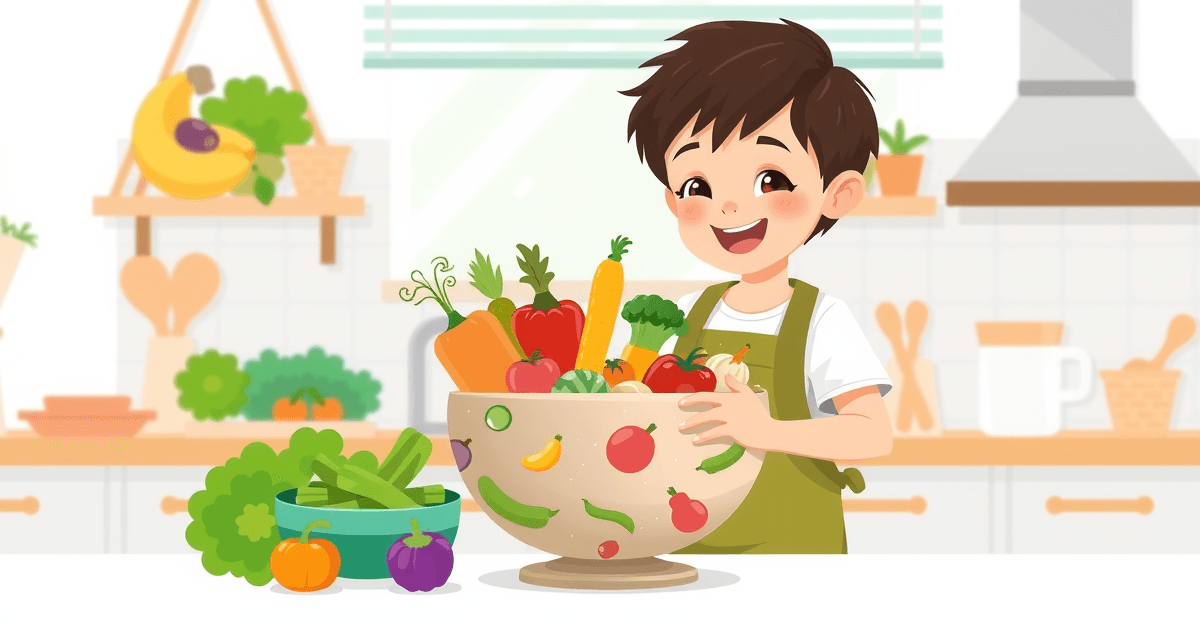
It's Saturday morning and my K1 girl is asking — again — if she can help with breakfast. I'm tempted to say no. It'll be faster and so much less messy to do it myself. But here's what I've learnt: those five minutes of letting her pour cereal or stir a bowl aren't wasted time. They're actually some of the richest learning moments of her week. And the mess? It wipes up lah.
TL;DR: Discover fun cooking activities for K1-K2 kids in Singapore that build maths, science, and language skills. Perfect for busy parents!.
Cooking with young children is one of the most underrated educational tools in a parent's toolkit. It's hands-on, it's fun, and it naturally covers maths, science, language, and fine motor skills—all the areas that matter most for K1-K2 development. And unlike flashcards or worksheets, kids actually want to do it.
If you're a Singapore parent juggling tuition schedules, enrichment classes, and the pressure to prepare your child for Primary 1, cooking activities might feel like a luxury. But they're actually a necessity. They're real-world application of learning—the kind that sticks.
Let's explore how to make cooking work in your home, even with limited space, and show you exactly which activities will develop the skills your child needs.
Why Cooking is One of the Best Learning Tools for K1-K2 Kids
Before we dive into recipes, let's talk about why cooking matters developmentally.
When your child measures flour, they're learning fractions and volume. When they mix ingredients and watch them transform, they're observing cause-and-effect and basic chemistry. When they follow a recipe (with your guidance), they're practicing sequencing and listening skills. When they name ingredients and describe textures, they're building vocabulary.
All of this happens naturally, without anyone saying "now we're doing a maths lesson."
The MOE Foundation Stage framework emphasises learning through play and real-world contexts. Cooking ticks every box: it's play-based, it's contextual, and it's genuinely meaningful to a child's life.
Beyond academics, cooking builds independence, confidence, and fine motor skills—all crucial at this age. Your K1 child's hand-eye coordination, grip strength, and ability to control small movements develop significantly through activities like pouring, stirring, and kneading.
And frankly? It's one of the few activities that feels like fun rather than "learning." That matters, especially when you're also doing interactive quiz practice on QuizKin at home.
Setting Up Your Kitchen for Success (Even in an HDB)
Singapore homes are compact. We know. The good news is you don't need much space to cook with your child.
Essential Setup Tips
Use a step stool. A sturdy plastic stool brings your child's height to counter level. This is a game-changer. Suddenly they can see and reach, and you don't have to hold them or lift them constantly.
Choose a low surface. If counter height feels too high, use a small side table, a study desk, or even a low shelf. Set out a tray or baking sheet to contain mess and define the workspace.
Protect your surfaces. Lay down newspaper, a plastic tablecloth, or an old bed sheet. It makes cleanup faster and makes you more relaxed about spills—which means your child can focus on learning rather than sensing your anxiety about mess.
Keep ingredients pre-portioned. Pour flour into a bowl, milk into a small jug, and eggs into a cup before you start. This removes the risk of spills and lets your child focus on the activity itself, not on managing containers.
Aprons and hand towels. Make it official. Let your child wear an apron (roll up sleeves if needed) and keep a small towel nearby for quick wipes. This signals "we're doing something special" and keeps clothes manageable.
Age-Appropriate Cooking Tasks: K1 vs K2
Your K1 child (age 4-5) and K2 child (age 5-6) have different capabilities. Pitch tasks at the right level.
K1 Tasks (Ages 4-5)
- Stirring, mixing with a spoon or fork
- Tearing soft bread or lettuce leaves
- Sprinkling toppings (cheese, sprinkles, seeds)
- Arranging items on a plate or tray
- Squishing soft fruits (bananas, berries) with their hands
- Pouring water or milk from a small, lightweight jug
- Pressing buttons on a blender (with supervision)
K2 Tasks (Ages 5-6)
- All of the above, plus:
- Cracking eggs (messy, but fun—use a small bowl)
- Kneading dough or playdough-textured mixtures
- Spreading soft butter or jam with a butter knife
- Measuring dry ingredients with a scoop (some spillage expected)
- Washing vegetables in a bowl of water
- Cutting soft foods with a plastic knife or rounded safety knife
The key: always supervise, but let them lead. Your job is to watch, guide when needed, and resist the urge to take over.
6 Simple No-Stress Cooking Activities for Your Singapore Home
1. DIY Yogurt Parfait Bar
What you need: Yogurt, granola, fresh fruits (berries, diced mango, or banana), honey, small bowls, spoons
What they do: Let your child choose their ingredients and layer them in a cup or small bowl. They can stir, sprinkle, and taste as they go.
Learning happens: Choice-making, sequencing (what goes first?), fine motor control (spooning and sprinkling), colour and texture vocabulary.
Why it works: No mess risk, endlessly customisable, genuinely delicious, and takes 5 minutes. Perfect for a weekday breakfast.
2. No-Bake Sandwiches and Wraps
What you need: Bread or tortillas, soft fillings (peanut butter, jam, cream cheese, sliced cucumber, sliced cheese), a plastic knife, a cutting board
What they do: Spread filling on bread, add vegetables, fold or roll. You can cut it into shapes with a cookie cutter if they're interested.
Learning happens: Following steps in order, spatial awareness (what fits inside?), decision-making, fine motor control.
Why it works: Minimal safety concerns, fully customisable, and they get to eat the result immediately. Great confidence builder.
Singapore twist: Use local wraps (roti prata-style wraps work beautifully) or make sandwiches with local cheese. Kids love the novelty.
3. Decorating Biscuits
What you need: Plain biscuits or rice crackers, toppings (icing, jam, peanut butter, sprinkles, coconut flakes), small spoons or butter knives
What they do: Spread, sprinkle, and decorate. No baking required.
Learning happens: Fine motor skills, colour mixing (if using different icings), creativity, decision-making.
Why it works: Pure fun. They're so proud of their creations, and the satisfaction of eating something they decorated is real.
Tip: Buy plain digestive biscuits from NTUC or a local supermarket. Cheap, sturdy, and perfect for decorating.
4. Fruit and Vegetable Wash Station
What you need: A bowl of water, fresh vegetables or fruits, a small brush (or soft cloth), a drying rack or paper towels
What they do: Wash and dry vegetables. It sounds simple because it is—but it's a full sensory experience.
Learning happens: Responsibility, observing dirt coming off, texture exploration, vocabulary (bumpy, smooth, cold, wet).
Why it works: Zero food waste, zero mess (water goes in a bowl), and they feel genuinely helpful. You're teaching them where food comes from.
Singapore context: Do this with local produce: gai lan, cherry tomatoes, long beans, or local herbs. Talk about where each vegetable grows.
5. Smoothie Making
What you need: Soft fruits (banana, mango, berries), yogurt or milk, a blender, cups
What they do: Add ingredients to the blender (you secure the lid), watch it blend, and pour into cups.
Learning happens: Observation of transformation (solid becomes liquid), cause-and-effect, following steps, vocabulary.
Why it works: The theatre of a blender is genuinely exciting. Kids love the sound, the speed, the observation of change.
Safety note: They press the button only with your hand over theirs. Never unsupervised.
6. Pizza or Tart Decorating
What you need: Pre-made mini pizza bases or puff pastry tarts (buy frozen from NTUC), tomato paste or cheese, toppings (sweetcorn, ham, pineapple, olives, vegetables)
What they do: Spread base, sprinkle toppings, watch you bake it (they observe; you handle the oven).
Learning happens: Fine motor skills, sequencing, sensory exploration, colour and arrangement, cause-and-effect (heat transforms the pizza).
Why it works: They make it, you bake it, everyone eats it. Feels like a complete, meaningful activity.
Singapore tip: Use local bases if available, or keep frozen puff pastry sheets on hand. Top with local ingredients: sambal, local cheese, or Asian vegetables.
Building Learning Into Cooking: Questions to Ask
As you cook together, narrate and ask open-ended questions. This is where language and conceptual learning happen.
Sensory questions:
- "What does that feel like in your hand?"
- "What colour is that? What else is that colour?"
- "Does it smell sweet or salty?"
Maths questions:
- "How many berries did you put in?"
- "Which spoon is bigger?"
- "Let's count how many pieces of fruit we need."
Science questions:
- "What happened when we mixed them?"
- "Why do you think it changed colour?"
- "What do you think will happen when we heat it?"
Language questions:
- "Can you tell me the steps we just did?"
- "What do we call this ingredient?"
- "What's your favourite part so far?"
Don't interrogate—just ask one or two during the activity. The goal is connection and gentle extension of thinking, not a quiz.
Tackling Common Parent Concerns
"It takes too long."
Yes, initially. But as your child gets used to the routine, it gets faster. And even 10 minutes of meaningful activity is better than 30 minutes of unfocused screen time. On busy weekdays, pick the quickest activities (yogurt parfait, decorating biscuits). Save more involved activities for weekends.
"It's messy."
It will be. That's the point. Mess is part of learning. Set boundaries (newspaper underneath, apron on), then let it happen. The cleanup is also a learning opportunity—vacuuming flour teaches responsibility and following a sequence.
"My child is too young / not interested."
K1 children vary widely in developmental readiness. If your child isn't interested yet, that's okay. Try again in a month. Start with activities that require minimal active participation (decorating, tasting, watching) before moving to tasks that require stirring or pouring. And meet them where they are. Some K1 kids want to stand and watch; that's learning too.
"What if they eat raw dough / drink liquid from a bowl?"
Supervise closely. Keep raw dough minimal. If you're using raw eggs, skip that activity. For young K1 children who put everything in their mouths, focus on activities where everything is safe to taste: yogurt, soft fruit, biscuits, sandwiches.
Making It a Routine (Not a One-Off)
The real magic happens when cooking becomes a regular part of your week.
Pick a slot: Saturday breakfast prep, Sunday afternoon snack time, or a weekday evening after school. Consistency matters.
Start small: One 10-minute activity per week. Build from there.
Repeat activities: Kids love repetition. Making the same sandwich five weeks in a row isn't boring to them—it's mastery.
Invite grandparents: If your parents or in-laws are helping with childcare, teach them these activities. Grandparents often love cooking with grandchildren, and it extends learning beyond your home.
Take photos: Capture your child's creations. They're proud, and you'll have a record of growth over months.
Connecting Cooking to Broader Learning
Here's where it ties back to the bigger picture of your child's development:
Cooking activities build the foundation skills that matter for school success: fine motor control, following instructions, confidence, vocabulary, and genuine enthusiasm for learning. These aren't things you can test easily, but they're the bedrock of everything else.
When your child is also doing structured learning—whether that's preschool lessons, enrichment classes, or quiz practice on QuizKin—cooking becomes the hands-on complement. It's where abstract concepts become concrete. It's where learning feels like play.
And it's where you, as a parent, are actively teaching without it feeling like teaching.
Final Thought: Slow Down
In Singapore, there's enormous pressure to optimize every moment of your child's day. Tuition by K2, enrichment classes stacked back-to-back, flashcards at breakfast.
Cooking is the antidote. It's slow. It's messy. It's unpredictable. And it's exactly what your child needs.
Some of your child's best learning moments will happen in your kitchen, flour in their hair, your hand guiding theirs as they stir. That's not wasted time. That's the stuff they'll remember.
Recipes to Get You Started
No-Bake Yogurt Parfait (serves 1)
- 1 small cup plain or vanilla yogurt
- 2 tbsp granola
- Handful of fresh berries or diced mango
- 1 tsp honey (optional)
Layer in a cup. Stir and eat. Takes 3 minutes.
Decorated Banana Toast (serves 1)
- 1 slice of bread, toasted
- 1 tbsp peanut butter or cream cheese
- 1 banana, sliced
- Sprinkle of coconut or chocolate chips
Spread, arrange banana, sprinkle toppings. Eat fresh.
Mini Fruit Smoothie (serves 1-2)
- 1 banana
- ½ cup berries (fresh or frozen)
- ½ cup milk or yogurt
- 1 tsp honey (optional)
Add to blender. Blend. Pour. Drink.
What cooking activities have worked well in your home? Drop a comment—we'd love to hear what your child enjoyed most!
Sources
Looking for more? Check out find a tutor for free on TuitionLah.
Exploring parenthood in Singapore? Visit ParentLah for practical tips on raising kids in Singapore.
Practise what you’ve read with QuizKin
Adaptive quizzes covering phonics, sight words, numbers, and more — aligned with the Singapore MOE curriculum. Start your free Premium trial today.
Frequently Asked Questions
Yes, with proper supervision and age-appropriate tasks. K1-K2 kids (ages 4-6) can safely mix, pour, and assemble ingredients under close adult guidance. Always avoid sharp knives and hot surfaces. Many Singapore preschools like PCF and My First Skool already incorporate cooking into their curriculum, using similar safety protocols. Start simple—mixing, kneading, and decorating are ideal first tasks.
Cooking naturally develops numeracy (measuring, counting), literacy (reading recipes, labeling), and science concepts (mixing, heating, observing changes). It also builds fine motor skills and independence—both key areas in the MOE Foundation Stage framework. These hands-on experiences complement structured learning beautifully and make academic concepts concrete and memorable for young learners.
Many activities work perfectly in small kitchens: no-bake recipes (yogurt parfaits, sandwiches), tray-based tasks (decorating biscuits, arranging fruit), and counter-space activities (kneading dough, mixing salads). You can also use a low side table or even a stool at kitchen counter height. No oven or stove time needed for many fun recipes—just mixing, assembling, and decorating.
About the author
Mervin Tan
Founder, QuizKin
Mervin Tan is the founder of QuizKin and a software engineer and dad of two young children in Singapore. He builds QuizKin's adaptive quiz engine and writes practical K1-K2 learning guides grounded in MOE's Nurturing Early Learners framework and his own experience preparing his kids for Primary 1. QuizKin is built by Adaptels Pte. Ltd., Singapore.
Ready to make learning fun?
QuizKin turns screen time into learning time with adaptive quizzes built for K1-K2 kids in Singapore. Free to start.
Related Articles
Water Play Learning Activities for Singapore Preschoolers: Science at Home
Discover engaging water play learning activities for K1-K2 kids in Singapore. Build science skills at home with simple, mess-friendly experiments.
20 Fun Indoor Learning Activities for Singapore Kids on Rainy Days
Rainy day at home with your K1 or K2 child? Discover 20 fun indoor learning activities Singapore parents love for keeping little ones engaged and learning.
Outdoor Play for Preschoolers in Singapore: Activities, Benefits, and How to Make It a Daily Habit
Why outdoor play matters for K1 and K2 children in Singapore. Research-backed benefits, practical activity ideas for parks and playgrounds, and tips for making outdoor time a daily habit despite the heat.