Nature Play and Learning for Singapore Kids: Outdoor Exploration Ideas
Discover outdoor nature play activities for Singapore K1-K2 kids (4-6 years). Boost early learning through exploration, observation & hands-on discovery.
Mervin Tan · Founder, QuizKin
Published 4 June 2026
This article contains affiliate links — if you buy through them, QuizKin may earn a small commission at no extra cost to you. We only link products relevant to the activity.
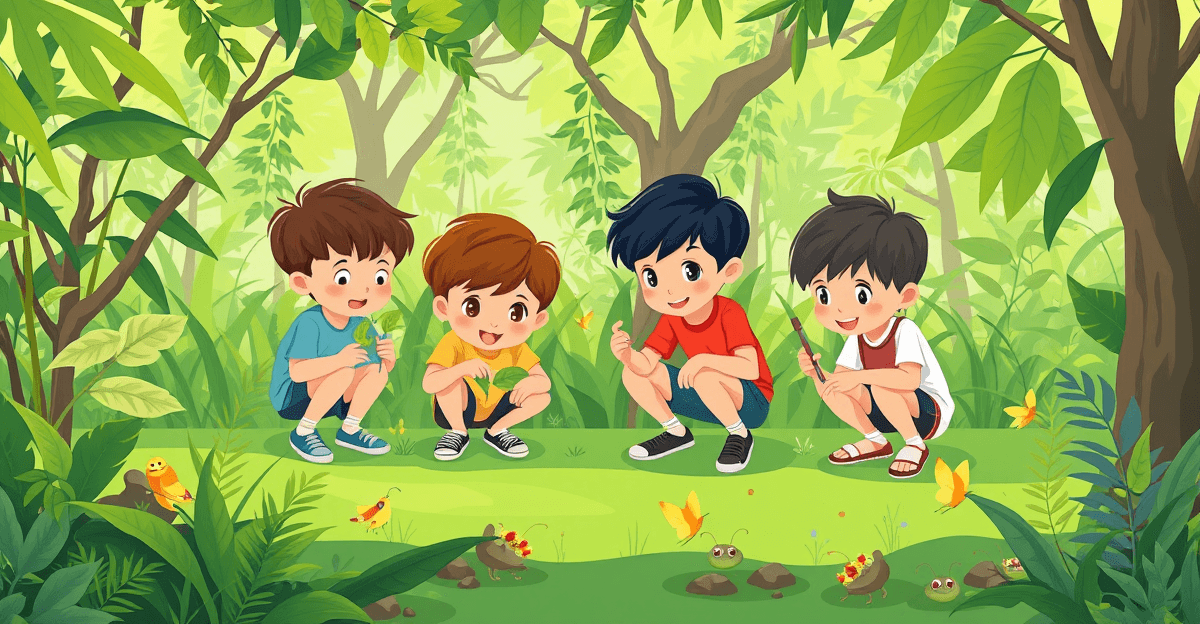
Picture this: Your K1 child is crouched by a drain, watching an ant carry a crumb. They're completely absorbed, asking questions, noticing details. This isn't idle time—it's powerful learning happening naturally. In Singapore, where our urban landscape meets pockets of lush greenery, nature play offers K1-K2 children (ages 4-6) a vital counterbalance to structured classroom learning.
TL;DR: Discover outdoor nature play activities for Singapore K1-K2 kids (4-6 years). Boost early learning through exploration, observation & hands-on discovery.
Yet many Singapore parents are unsure where to start or worry that nature play seems unstructured compared to tuition-style learning. The truth? Nature play is structured learning—it just unfolds through curiosity instead of worksheets. And when paired with focused activities like adaptive quiz practice that makes learning fun and measurable for K1-K2 kids, outdoor exploration becomes a complete learning ecosystem.
Let's explore practical, Singapore-specific ways to weave nature play into your child's week.
Why Nature Play Matters for Young Learners
Research consistently shows that outdoor, unstructured play builds:
- Observational skills – noticing patterns, details, and changes
- Language development – naming what they see, asking questions
- Problem-solving – figuring out how things work
- Confidence and independence – making choices in an open environment
- Fine and gross motor skills – climbing, balancing, reaching, manipulating objects
For Singapore's K1-K2 children, nature play also provides a welcome mental reset. Our densely populated, air-conditioned environment means many young kids spend their day indoors. Just 20-30 minutes in a garden or nature area can noticeably improve focus and mood—something most preschools, from My First Skool to PAP Community Foundation centres, recognize through their outdoor time.
MOE's curriculum for early childhood emphasizes developing curiosity and inquiry. Nature play directly feeds this objective without feeling like "learning" to your child.
Best Nature Spots for K1-K2 in Singapore
You don't need to venture far. Some of Singapore's best nature play spaces are accessible, free or low-cost, and genuinely toddler-friendly:
Gardens and Parks
Singapore Botanic Gardens (free entry)
- Paved, stroller-friendly paths
- Open grassy areas perfect for running and exploring
- Designated children's gardens with interactive features
- Ideal for noticing plants, flowers, and insects
Kranji Marsh (free)
- Boardwalk ideal for K1-K2 ages
- Birdwatching opportunities without heavy hiking
- Peaceful for observation-based play
Labrador Nature Reserve
- Coastal views and forest trails
- Beach access for sand and rock exploration
- Waterbirds and crabs to observe during low tide
Chek Jawa (Pulau Ubin)
- A bit further but worth the occasional trip — you can book a Pulau Ubin day trip on KKday to sort out the ferry and logistics
- Mangroves, rock pools, and tide pools teeming with life
- Excellent for sensory exploration and discovery
East Coast Park (East Coast Green
- Open, safe cycling paths alongside nature areas
- Sandy shores for beach play and exploration
- Picnic-friendly with minimal entry friction
Neighbourhood Spaces
Don't overlook your local park or neighbourhood garden. A nearby green space you can visit weekly builds familiarity and allows your child to notice seasonal changes—a powerful learning experience.
Structured Nature Play Activities for K1-K2
1. Sensory Observation Walks
Take a slow walk with your child, focusing on one sense at a time:
- What do you hear? (Birds, wind, leaves rustling, water)
- What do you smell? (Earth, flowers, rain)
- What textures can you touch? (Rough bark, smooth stones, soft moss)
- What colours and shapes do you see?
Pause frequently. Let your child lead. A 15-minute sensory walk teaches observation skills that transfer directly to literacy (noticing letter shapes, sounds) and science (observing cause and effect).
2. Nature Collecting and Sorting
Give your child a small bag and 10-15 minutes to collect natural items: leaves, twigs, pebbles, flowers.
Back at home or on a bench, sort together:
- By colour
- By texture (smooth/rough)
- By size
- By type (leaves/non-leaves)
This builds categorization skills—foundational for early maths and reading readiness. It's also low-pressure learning that feels like play.
3. Bug and Creature Hunts
K1-K2 children are naturally fascinated by small creatures. Create a simple hunt:
- Look under rocks and logs (replace carefully)
- Search for ants, butterflies, spiders
- Observe behaviour: What is it eating? Where is it going?
- Ask: "Why do you think it's there?"
Safety note: Teach gentle observation. No harming insects. This teaches respect for life alongside curiosity.
4. Seasonal Change Tracking
Visit the same spot monthly and notice what's changed:
- Different flowers blooming
- Leaves changing colour (subtle in Singapore, but it happens)
- New birds arriving
- Plants growing taller
Take simple photos each visit. This builds awareness of cycles and patterns—concepts that underpin understanding of science and time.
5. Water Play and Exploration
At parks with water features, ponds, or beaches:
- Observe what floats and sinks
- Watch how water moves
- Look for water creatures (tadpoles, fish, crabs)
- Pour and measure (if permitted)
Water play is tactile, calming, and builds intuitive physics understanding. K1-K2 children naturally gravitate toward it.
6. Art and Nature Integration
Combine creativity with observation:
- Collect leaves and flowers for pressing and collage
- Use natural materials to create patterns
- Sketch what you see (even simple stick figures count)
- Paint rocks and hide them around the garden
This bridges nature play with artistic expression, engaging different learning styles.
Pairing Nature Play with Structured Learning
Here's where the balance comes in. Nature play excels at building curiosity and observational foundations. But K1-K2 children also benefit from focused, measurable practice—especially as they approach Primary 1 screening assessments.
Adaptive quiz practice that makes learning fun and measurable for K1-K2 kids complements nature play beautifully. After a nature walk where your child learned about insects, a short, playful quiz on what they observed reinforces vocabulary and builds confidence. The combination is powerful:
- Nature play: Real-world discovery, open-ended exploration
- Structured practice: Targeted skill-building, measurable progress
Together, they create a complete learning experience that feels natural, not forced.
Practical Tips for Successful Nature Play Sessions
Plan for Short, Frequent Visits
K1-K2 children have short attention spans. Thirty minutes twice weekly beats one exhausting all-day outing. Consistency matters more than duration.
Manage Expectations
Your child might not "do" what you planned. They might spend 20 minutes watching ants instead of exploring the whole garden. That's perfect. Follow their curiosity.
Dress Appropriately
Light, breathable clothing, good shoes, and a hat are essential in Singapore's climate — you can stock up on breathable sun hats and quick-dry kids' clothing on Shopee before your outing. Bring extra clothes in case of mud or water play.
Stay Safe
- Apply sunscreen before and during outdoor time
- Bring water and encourage frequent sips
- Watch for insects and plants that sting (jellyfish at beaches, stinging plants)
- Avoid peak heat hours (10am–3pm)
Document and Reflect
Take occasional photos. Ask open-ended questions:
- "What was your favourite part?"
- "What did you notice that was new?"
- "What do you wonder about?"
This reflection deepens learning and gives you insight into your child's thinking.
Addressing Common Parent Concerns
"Will my child get dirty?"
Yes—and that's part of the value. Exposure to diverse microbiomes actually supports immune development. Dirt is washable. Rich learning experiences are priceless.
"Isn't it too hot in Singapore?"
Early morning and late afternoon sessions are genuinely pleasant. Most preschools manage outdoor time successfully year-round.
"How is this learning if it's not formal?"
Observation, question-asking, pattern recognition, and vocabulary building are all formal learning skills. They're just happening in context, which makes them more durable than isolated worksheet practice.
"Won't my child miss out if we're not doing tuition every day?"
Early childhood learning is about building curiosity and foundational skills, not accumulating facts. A child who loves exploring and asking questions will outpace a child who's been drilled on rote memorization. Nature play builds that love of learning.
Seasonal Nature Play in Singapore
While Singapore doesn't have dramatic seasons, subtle shifts happen:
June–August (Hotter, Dry Season)
- Visit gardens with more shade and water features — book family attraction tickets on Klook for discounted entry to places like the zoo, bird park, and aquarium
- Go early morning (7–9am) or late afternoon
- Focus on creatures that thrive in heat
September–November (Monsoon Period)
- Watch for rain and how water moves
- Look for water-loving creatures
- After rain, puddle jumping and mud exploration
December–February (Cooler Period)
- Best time for longer nature walks
- More birds and butterflies
- Explore comfortably for 45+ minutes
March–May (Building Heat)
- Balance outdoor time with shaded exploration
- Focus on flowering plants
- Evening visits become more appealing
Making It a Habit
The best nature play is consistent, low-pressure play. Aim for:
- One longer visit per week (45 minutes – 1 hour) to a favourite spot
- Two or three short visits (15-20 minutes) to neighbourhood parks
- Incidental nature time – noticing birds, clouds, plants during daily routines
Make it as normal as screen time or eating meals. When your K1-K2 child sees nature exploration as part of their weekly rhythm, curiosity becomes habitual.
The Bigger Picture
Nature play isn't a "nice to have" for Singapore kids. It's essential counterbalance to our urban, structured lives. K1-K2 children who spend regular time outdoors, observing, questioning, and exploring, develop:
- Stronger attention and focus (which supports formal learning later)
- Greater emotional regulation and resilience
- Richer vocabulary and language skills
- Intrinsic motivation to learn
These aren't happy side effects. They're foundational capacities that every child needs.
As you plan nature outings this month, remember: you don't need a perfect plan or specialized equipment. Your child, a green space, and your presence is enough. Notice what they notice. Ask what they're curious about. Let nature do the teaching.
The learning will follow—naturally.
Ready to deepen your child's learning journey? Nature play builds observation and curiosity. Pair it with focused, adaptive practice using tools designed for K1-K2 learners to help your child build measurable skills in a fun, pressure-free way. Visit QuizKin to explore how personalised quizzes complement hands-on learning.
Sources
- NParks — National Parks Board
- HPB — Health Promotion Board
- ECDA — Early Childhood Development Agency
Looking for more? Check out find a tutor for free on TuitionLah.
Exploring parenthood in Singapore? Visit ParentLah for practical tips on raising kids in Singapore.
Practise what you’ve read with QuizKin
Adaptive quizzes covering phonics, sight words, numbers, and more — aligned with the Singapore MOE curriculum. Start your free Premium trial today.
Frequently Asked Questions
Absolutely! The key is timing and preparation. Plan outdoor nature play during early morning (before 10am) or late afternoon (after 4pm) when it's cooler. Always bring plenty of water, apply sunscreen, and dress kids in light, breathable clothing. Many Singapore preschools and PCF centres already incorporate nature play safely into their curricula, so your child is familiar with outdoor learning from their classroom experience.
Pack a small backpack with water bottles, a basic magnifying glass, a small notebook (or clipboard), hand wipes, a light rain jacket, and perhaps a collection bag for natural items like leaves or pebbles. Keep it simple—the goal is observation and discovery, not collecting everything. Most kids this age need minimal equipment to engage deeply with their environment.
MOE's emphasis on developing inquiry and observational skills aligns perfectly with nature play. Early exposure to observation, cause-and-effect thinking, and vocabulary building in outdoor settings strengthens foundational skills that support later literacy and science learning. Combined with structured practice using tools like adaptive quiz apps, nature play provides real-world context for the concepts kids encounter in preschool.
About the author
Mervin Tan
Founder, QuizKin
Mervin Tan is the founder of QuizKin and a software engineer and dad of two young children in Singapore. He builds QuizKin's adaptive quiz engine and writes practical K1-K2 learning guides grounded in MOE's Nurturing Early Learners framework and his own experience preparing his kids for Primary 1. QuizKin is built by Adaptels Pte. Ltd., Singapore.
Ready to make learning fun?
QuizKin turns screen time into learning time with adaptive quizzes built for K1-K2 kids in Singapore. Free to start.
Related Articles
Fine Motor Skills Activities for K1 Kids in Singapore: Strengthen Little Hands
Discover practical fine motor skills activities for K1 kids in Singapore. Build hand strength, coordination & pencil grip with expert tips from local educators.
Fun Maths Activities for K1-K2 Kids in Singapore: Beyond Worksheets
Discover engaging maths activities for K1-K2 kids in Singapore. Move beyond worksheets with hands-on games that build numeracy skills aligned to MOE curriculum.
Teaching Shapes and Patterns to K1-K2 Kids: Hands-On Activities for Singapore Parents
Master shapes and patterns teaching for K1-K2 kids with hands-on activities aligned to Singapore MOE curriculum. Expert tips for preschool parents.