Separation Anxiety in Kindergarten: A Singapore Parent's Guide to Smoother Drop-Offs
Practical strategies for managing kindergarten separation anxiety in Singapore. Age-specific tips for K1 and K2, when to worry, and how to make drop-offs easier for you and your child.
Mervin Tan · Founder, QuizKin
Published 11 May 2026
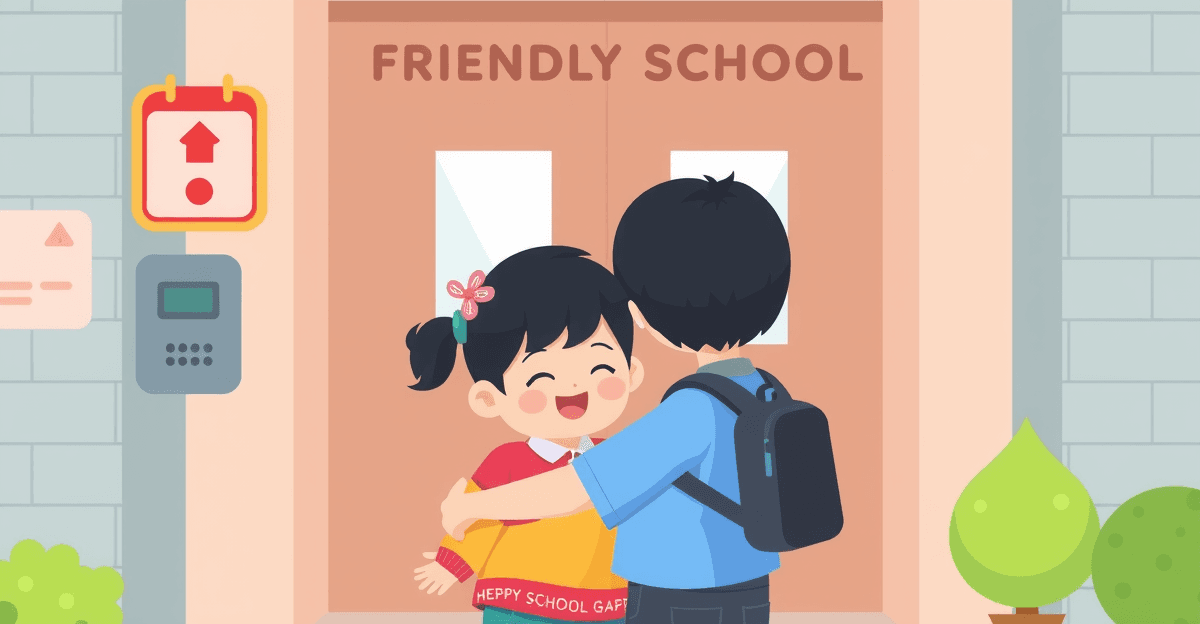
It is 7:30 in the morning. You are standing at the kindergarten gate with your child clinging to your leg, tears streaming down their face, wailing "I don't want to go." Other parents walk past with children who seem perfectly fine. You feel a mixture of guilt, frustration, and worry: Is something wrong? Am I making it worse? Will this ever stop?
TL;DR: Practical strategies for managing kindergarten separation anxiety in Singapore. Age-specific tips for K1 and K2, when to worry, and how to make drop-offs easier for you and your child.
If this scene feels familiar, you are not alone. Separation anxiety at kindergarten is one of the most common parenting challenges in Singapore, and it is one of the least talked about honestly. Most parents experience it. Most children grow through it. And there are practical, evidence-based strategies that genuinely help.
Understanding Separation Anxiety: What Is Actually Happening
Separation anxiety is not a behavioural problem. It is a normal developmental response. When your child cries at drop-off, their brain is doing exactly what it is supposed to do -- signalling distress at being separated from their primary attachment figure.
The Developmental Timeline
Children go through separation anxiety in predictable stages:
- 6-12 months -- first peak, when babies develop object permanence and realise you can leave
- 18-24 months -- second peak, common when starting childcare or playgroup
- 3-5 years (K1-K2) -- the kindergarten transition, which is what this guide focuses on
- 6-7 years -- occasional resurgence when starting Primary 1
The K1-K2 phase is unique because children at this age are cognitively advanced enough to anticipate the separation and imagine worst-case scenarios, but not yet emotionally mature enough to regulate the big feelings that follow. They know you are leaving. They can imagine you not coming back. They cannot yet reason through the fact that you always do.
Why Some Children Struggle More
Not all children experience separation anxiety with the same intensity. Several factors influence how your child responds:
- Temperament -- cautious, sensitive children tend to find transitions harder than naturally outgoing ones
- Previous experiences -- children who have had limited time away from parents may find the adjustment steeper
- Family changes -- a new sibling, a house move, or changes in the family dynamic can amplify anxiety
- School environment -- large class sizes, unfamiliar teachers, or a noisy environment can overwhelm some children
Understanding these factors helps you respond with empathy rather than frustration. Your child is not being difficult. They are doing their best with the emotional tools they have.
Before Kindergarten Starts: Preparation That Actually Works
The best time to address separation anxiety is before it becomes a daily battle. Here are strategies that Singapore parents have found effective.
Build Familiarity with the School
Most Singapore kindergartens offer orientation sessions or trial days. Use every one of them. The more familiar the environment feels, the less threatening it is to your child.
- Visit the school playground on weekends or after hours if allowed
- Walk past the school on regular outings so it becomes part of their mental map
- If the school shares photos or videos of classroom activities, watch them together
Practice Short Separations
If your child has spent most of their time with you, the jump to full-day kindergarten is enormous. Build up gradually:
- Leave them with a trusted relative for increasing periods (30 minutes, then an hour, then two hours)
- Arrange playdates where you step out briefly
- Let them attend enrichment classes or programmes independently
Each successful separation builds confidence. Your child learns the most important lesson: you leave, and you come back.
Talk About Kindergarten Positively (But Honestly)
Avoid overselling kindergarten as "the most fun place ever" -- if the reality does not match, your child may feel deceived. Instead, be honest and specific:
- "You will play with other children and have snack time. Sometimes it might feel a bit strange at first, and that is okay."
- "Your teacher will take care of you while I am at work. I will always come back to pick you up."
Books about starting school can help. Singapore libraries carry titles like "The Kissing Hand" and "Owl Babies" that address separation in age-appropriate ways. Reading these together opens conversations about feelings without pressure.
The Drop-Off: Strategies for the Hardest 5 Minutes
The actual moment of separation is the peak of anxiety for both parent and child. How you handle it sets the tone for the rest of the day.
Create a Goodbye Ritual
Children find comfort in predictability. A consistent goodbye ritual gives them a script for a moment that feels chaotic and frightening. Keep it simple:
- Two hugs and a high-five
- "I love you. See you after nap time." (Use a specific event, not a clock time they cannot understand)
- A special wave from the window
The ritual should take no more than 30 seconds. Longer goodbyes prolong the distress for both of you.
Leave Confidently
Your child reads your emotions with remarkable accuracy. If you look worried, hesitant, or guilty, they interpret this as confirmation that something is wrong. Even if your heart is breaking, project calm confidence:
- Smile genuinely
- Keep your voice warm but steady
- Walk away after the ritual without looking back repeatedly
This is not about being cold or dismissive. It is about communicating through your behaviour that the situation is safe.
Never Sneak Away
It is tempting to slip out while your child is distracted, but this backfires almost every time. When your child realises you vanished without warning, they learn that they cannot trust the moment -- you might disappear at any time. This makes them more clingy, not less.
Always say goodbye, even if it triggers tears. The short-term pain of a tearful goodbye is far better than the long-term damage of broken trust.
What to Do When the Tears Come
They will come. Here is what helps:
- Acknowledge the feeling -- "I can see you are sad. It is okay to feel sad."
- Reassure briefly -- "I will be back after your outdoor play time."
- Hand over to the teacher -- a good kindergarten teacher knows how to comfort a crying child and redirect their attention
- Leave -- once you have said goodbye, go. Lingering makes it harder for everyone
Most children stop crying within 5-10 minutes of their parent leaving. If you are worried, ask the teacher to send you a photo or message once your child has settled.
Week by Week: What to Expect
Week 1: The Hardest Week
Expect tears, clinginess, and possibly regression in other areas (sleep, appetite, toilet habits). This is normal. Your child is processing a major life change.
At home in the evenings, keep things calm and predictable. Avoid scheduling extra activities. Give your child plenty of one-on-one attention. Ask about their day with open questions: "What did you play with today?" rather than "Did you have fun?"
Week 2-3: The Inconsistent Phase
Some days will be fine. Other days the crying returns with full force. This inconsistency is actually a sign of progress -- your child is testing the pattern and learning that kindergarten is survivable, even if they do not love it yet.
This is the phase where parents are most tempted to give up. Do not. Consistency is the most powerful tool you have right now.
Week 4 and Beyond: The New Normal
By the end of the first month, most children have formed routines and friendships that make kindergarten feel like their space. Drop-offs become smoother. Pickup conversations shift from "I missed you" to stories about friends and activities.
If significant distress continues past 6-8 weeks with no improvement, consult your child's teacher and consider speaking with a child psychologist. Persistent separation anxiety can sometimes indicate underlying anxiety that benefits from professional support.
Building Independence Beyond the School Gate
Separation confidence does not only develop at the kindergarten door. You can strengthen your child's independence muscles throughout their daily life.
Give Them Ownership of Small Tasks
Children who feel capable feel less anxious about being on their own. Let them:
- Choose their own outfit for school
- Pack their own bag with guidance
- Pour their own drink at meals
- Complete learning activities independently
When a child successfully navigates a learning app on their own, answering quiz questions and progressing through levels without help, they internalise the message: "I can do things by myself." This carries over into their confidence at kindergarten. Apps like QuizKin provide age-appropriate challenges that build this independence muscle through self-directed learning.
Validate Their Emotions at Home
Children who learn to name and express their emotions manage anxiety better. Use everyday moments to build emotional vocabulary:
- "You look frustrated that the puzzle piece does not fit. That is a hard feeling."
- "It sounds like you felt nervous when the teacher asked you a question. Lots of people feel nervous sometimes."
Maintain Connection During the Day
For children who find the full-day separation particularly difficult, consider these connection strategies:
- Put a small family photo in their bag
- Draw a heart on their hand in the morning ("When you miss me, press the heart")
- Leave a short note in their lunch box (even before they can read, the gesture registers)
When to Seek Professional Help
Separation anxiety is normal, but some signs suggest your child may benefit from professional support:
- Distress at drop-off is getting worse after 6-8 weeks, not better
- Your child shows physical symptoms like stomach aches, headaches, or vomiting before school
- Sleep is severely disrupted -- night terrors, refusal to sleep alone, frequent nightmares about school
- Your child has withdrawn from activities they previously enjoyed
- The anxiety extends beyond school to other separations (birthday parties, playdates)
In Singapore, you can seek support through:
- Your child's kindergarten, which may have access to an educational psychologist
- The KK Women's and Children's Hospital Child Development Unit
- Private child psychologists (many offer sessions specifically for separation anxiety)
- Early intervention programmes through the Early Childhood Development Agency
Early support makes a significant difference. There is no shame in seeking help -- it is one of the most proactive things you can do as a parent.
What Teachers Wish Parents Knew
Kindergarten teachers in Singapore see separation anxiety every term. Here is what they consistently say:
Your child usually settles quickly after you leave. The crying at the door does not reflect the rest of their day. Within minutes, most children are engaged with their classmates.
Short, confident goodbyes help the most. Teachers can handle a crying child. What they find harder to manage is a parent who hovers, returns multiple times, or sends anxious messages throughout the morning.
Consistency matters more than any single strategy. A child who attends kindergarten every day (barring illness) adjusts faster than one who is kept home on "bad days." Each absence resets the adjustment clock.
Talk to us. Teachers want to partner with you. Share what is happening at home, what your child enjoys, what comforts them. The more the teacher knows, the better they can support your child during the transition.
The Bigger Picture
Separation anxiety is uncomfortable, but it is also a sign that your child has a secure attachment to you. They cry when you leave because they love being with you. That is a good thing.
The process of learning to separate and reconnect is one of the most important developmental skills your child will build in early childhood. It teaches them resilience, trust, and the ability to form relationships with people outside their family.
Every tearful goodbye is a step toward independence. And one morning -- probably sooner than you think -- your child will walk through that kindergarten gate, wave casually, and not look back.
When that happens, you might be the one who misses the goodbye hugs.
Sources
Building your child's confidence and independence? Try QuizKin -- age-appropriate learning activities for K1 and K2 that children can complete on their own, building the self-directed learning skills that support kindergarten readiness.
Looking for more? Check out find a tutor for free on TuitionLah.
Exploring parenthood in Singapore? Visit ParentLah for practical tips on raising kids in Singapore.
Practise what you’ve read with QuizKin
Adaptive quizzes covering phonics, sight words, numbers, and more — aligned with the Singapore MOE curriculum. Start your free Premium trial today.
Frequently Asked Questions
For most children in Singapore kindergartens, the most intense separation anxiety lasts 1-3 weeks. The first week is typically the hardest, with tears gradually reducing in duration and intensity. By the end of the first month, most children have settled into the routine. However, some children may experience brief resurgences after school holidays or long weekends. If severe distress persists beyond 6-8 weeks with no improvement, it is worth discussing with your child's teacher or a child psychologist.
Yes. While separation anxiety is more common in younger children (N1-K1), some K2 children still experience it, especially after transitions like changing schools, returning from a long break, or after stressful events at home. K2 separation anxiety is less about developmental stage and more about temperament, past experiences, or specific triggers. It does not mean your child is behind -- it means they need targeted support for the transition.
No. Sneaking away when your child is not looking may seem like it avoids a meltdown in the moment, but it damages trust and can make separation anxiety worse over time. Your child needs to learn that you leave, that it is safe, and that you always come back. A consistent goodbye routine -- even if it involves tears -- builds that trust. Keep the goodbye brief, warm, and confident.
Daily crying at drop-off is common in the first 2-3 weeks and does not necessarily indicate a problem. Most children stop crying within 5-10 minutes of their parent leaving, which teachers can confirm. If the crying persists beyond a month, is getting worse rather than better, or your child shows other signs of distress like sleep problems or appetite changes, schedule a meeting with the teacher to discuss strategies. Some children benefit from adjustments like a slightly later arrival time or a special comfort object.
Learning apps can play a supportive role by giving your child something familiar and engaging to associate with independence. When a child successfully completes quiz questions or learning activities on their own -- even at home -- it builds a sense of 'I can do things by myself.' Apps like QuizKin help develop this independence muscle through self-directed learning, which carries over into their confidence at kindergarten. However, apps should complement real-world separation strategies, not replace them.
About the author
Mervin Tan
Founder, QuizKin
Mervin Tan is the founder of QuizKin and a software engineer and dad of two young children in Singapore. He builds QuizKin's adaptive quiz engine and writes practical K1-K2 learning guides grounded in MOE's Nurturing Early Learners framework and his own experience preparing his kids for Primary 1. QuizKin is built by Adaptels Pte. Ltd., Singapore.
Ready to make learning fun?
QuizKin turns screen time into learning time with adaptive quizzes built for K1-K2 kids in Singapore. Free to start.
Related Articles
Building Resilience in Preschoolers: Practical Tips for Singapore Parents (K1-K2)
Help your K1-K2 child build resilience with practical, Singapore-specific tips on growth mindset, emotional skills, and confident learning at home.
QuizKin vs Maomi Stars: Which Chinese Learning App for Your Singapore Child? (2026)
An honest comparison of QuizKin and Maomi Stars for Singapore K1-K2 families. Chinese writing practice, stroke order, pricing, and which app fits your home language.
QuizKin vs Khan Academy Kids: Honest Comparison for Singapore Parents (2026)
Detailed comparison of QuizKin and Khan Academy Kids for Singapore K1-K2 children. MOE alignment, Chinese support, pricing, and which app suits your child best.