What Do K1 Children Learn in Singapore?
Wondering what K1 children learn in Singapore? A parent's guide to the MOE-aligned kindergarten curriculum, key skills, and how to support your 4-6 year old.
Mervin Tan · Founder, QuizKin
Published 26 June 2026
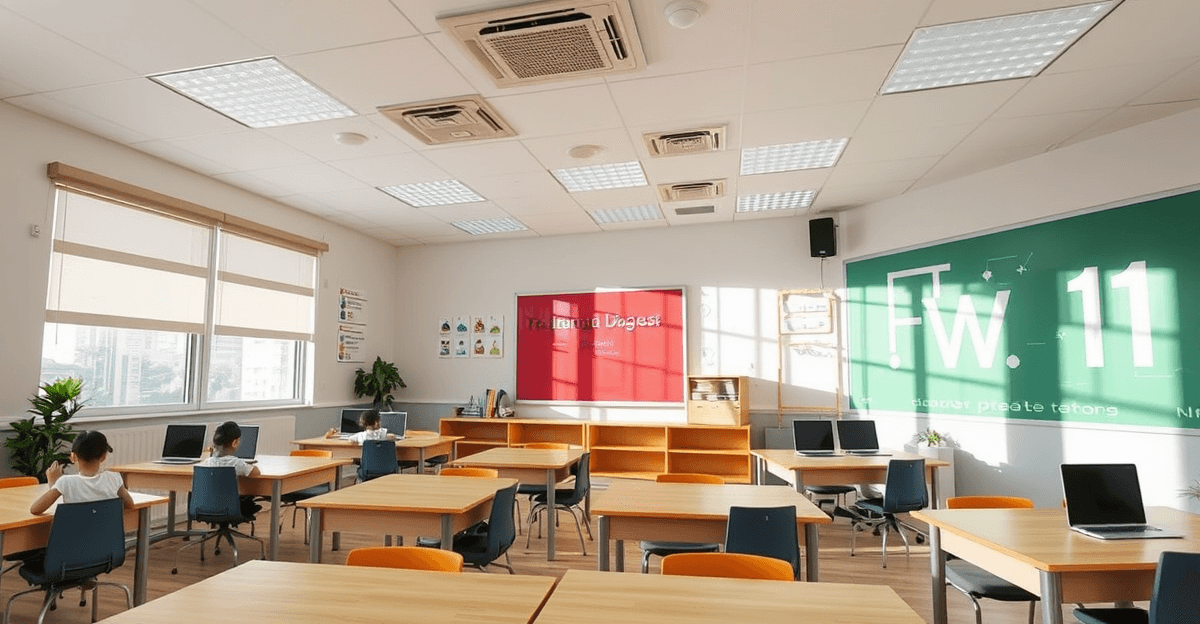
If your little one is starting Kindergarten 1 this year, you may be quietly wondering whether they should already be reading, writing their name, or counting to 100 — and whether you have done enough to prepare them. Take a breath: you are not behind, and neither is your child. Understanding what K1 children learn in Singapore helps you support your little one at home without the pressure, and it reveals just how much of K1 is about play, curiosity, and confidence rather than worksheets and tests.
This guide walks you through the MOE-aligned K1 curriculum, the six learning areas, realistic milestones for ages 4 to 6, and simple ways to nurture your child's growth at home.
🎯 Key Takeaway (TL;DR)
>
In Singapore, K1 children (typically aged 5) follow a play-based curriculum built around MOE's Nurturing Early Learners (NEL) Framework, which covers six learning areas: language and literacy, numeracy, discovery of the world, aesthetics and creative expression, motor skills, and social-emotional development. The goal is holistic readiness for Primary 1 — not academic mastery. Children learn through play, songs, hands-on exploration, and guided activities, building the foundations for reading, counting, and independence.
What Curriculum Do K1 Children Follow in Singapore?
K1 children in Singapore follow a curriculum aligned with MOE's Nurturing Early Learners (NEL) Framework, which guides early childhood education for children aged 4 to 6. While preschools design their own programmes, the vast majority — from PAP Community Foundation (PCF) Sparkletots to NTUC's My First Skool and MOE Kindergartens — map their teaching to the same six NEL learning areas.
The framework is built on iTeach principles: integrated learning, teachers as facilitators, engaging children in learning, authentic experiences, holistic development, and children at the centre. In plain terms, this means K1 is intentionally play-based. Your child learns to count by sorting buttons, learns about life cycles by watching a caterpillar, and learns language by listening to stories — not by sitting through formal lessons.
Definitive point: K1 in Singapore is not a watered-down Primary 1. It is a developmentally appropriate, play-centred year designed to build curiosity, confidence, and foundational skills — with academic readiness as a natural by-product, not the main event.
If you are choosing or comparing preschools, it is worth knowing that all licensed centres are regulated by the Early Childhood Development Agency (ECDA), which sets quality standards across the sector.
The 6 Learning Areas: What K1 Children Learn in Singapore
The NEL Framework organises learning into six areas. Below is what each looks like in a typical K1 classroom — and what you can realistically expect from your 5-year-old.
1. Language and Literacy
K1 children develop early reading and speaking skills through stories, rhymes, and conversation. They learn letter names and sounds (phonics), begin recognising common sight words, and practise forming letters. In bilingual Singapore, children also build their Mother Tongue Language foundation — Chinese, Malay, or Tamil — alongside English.
Realistic K1 milestones include recognising most letters of the alphabet, identifying beginning sounds in words, "reading" a familiar picture book from memory, and writing their own name. If you want to know what comes next, our guide to reading milestones for children ages 4-6 breaks down exactly what to expect year by year, and our list of sight words every K1-K2 child should know is a practical place to start at home.
2. Numeracy
Numeracy in K1 goes far beyond counting. Children learn number recognition (usually up to 10, then 20), one-to-one correspondence (matching one object to one number), simple patterns, sorting by colour and shape, comparing sizes, and early concepts of "more" and "less."
By the end of K1, many children can count objects accurately, recognise numbers, and understand basic addition through hands-on play — like combining two groups of toys. These foundations lead directly into K2 maths; if you are curious about the next stage, see our overview of the K2 maths assessment in Singapore.
This is also where tools like QuizKin fit naturally: adaptive quiz practice that makes learning fun and measurable for K1-K2 kids lets your child reinforce numbers and letters in short, playful sessions — and gives you a clear picture of which concepts have clicked and which need a little more practice.
3. Discovery of the World
This learning area sparks your child's natural curiosity about people, places, and nature. K1 children explore topics like weather, plants and animals, their family and community, and simple cause-and-effect. Activities might include growing beansprouts, observing the rain, or learning about helpers in their neighbourhood.
The aim is to nurture wonder and basic inquiry skills — asking "why" and "how" — rather than memorising facts.
4. Aesthetics and Creative Expression
Through art, music, movement, and pretend play, K1 children learn to express ideas and emotions. They paint, sing, dance, build, and role-play. This area supports creativity and emotional development, and it is far more important to long-term learning than many parents realise.
5. Motor Skills Development
K1 builds both gross motor skills (running, jumping, balancing, climbing) and fine motor skills (holding a pencil, cutting with scissors, threading beads, doing up buttons). Strong fine motor control is essential before formal writing in Primary 1 — and it often needs deliberate practice. Our parent-tested fine motor skills activities for K1 kids offer simple ways to strengthen those little hands at home.
6. Social and Emotional Development
Perhaps the most important area of all. K1 children learn to share, take turns, follow routines, manage frustration, make friends, and become more independent — putting on their own shoes, packing their bag, and asking for help. These social-emotional skills are strong predictors of how smoothly your child will settle into Primary 1. For practical strategies, see our guide to developing social skills in preschoolers.
How Is K1 Different From K2 and Primary 1?
K1 is the foundation year; K2 builds toward formal schooling. In K1 (age 5), learning is heavily play-based with gentle introductions to letters, sounds, and numbers. In K2 (age 6), expectations rise: children read simple sentences, write short words, and handle basic addition and subtraction in preparation for Primary 1.
Definitive point: The single biggest leap is between K2 and Primary 1, not between K1 and K2 — which is exactly why K1 is the ideal year to build positive learning habits and confidence, gently and without pressure.
Here is a simple comparison:
| Stage | Typical Age | Focus |
|---|---|---|
| Nursery (N2) | 4 | Exploration, routines, early language |
| Kindergarten 1 (K1) | 5 | Letter sounds, numbers to 20, social skills |
| Kindergarten 2 (K2) | 6 | Reading simple text, basic maths, P1 prep |
| Primary 1 | 7 | Formal curriculum, structured assessments |
While there is no PSLE pressure at this age, the habits formed now — focus, curiosity, resilience — quietly shape the entire learning journey ahead. When the time comes, our Primary 1 readiness checklist of 30 skills will help you see exactly where your child stands.
How Can Parents Support What K1 Children Learn at Home?
You do not need to recreate a classroom at home. The most powerful things you can do are simple, consistent, and low-pressure: read together daily, talk through everyday moments, count real objects, and let your child play.
Here are evidence-based ways to reinforce K1 learning:
- Read aloud every day. Just 15-20 minutes builds vocabulary, listening, and a love of books. Let your child turn the pages and "read" along.
- Count and sort during chores. Count stairs, sort laundry by colour, divide snacks equally — numeracy is everywhere.
- Encourage independence. Let your child dress themselves, pack their bag, and tidy up. These build the self-help skills K1 teachers value.
- Play, don't drill. Board games, building blocks, and pretend play develop more than flashcards do at this age.
- Use short, playful practice. A few minutes of the best educational apps for preschoolers can reinforce letters and numbers — just keep it balanced with our screen time guidelines for preschoolers.
If you feel your child needs a little extra support — or you would like a tutor who specialises in early literacy or numeracy — you can find one with no agency fees through TuitionLah. And if you are stocking up on books, enrichment classes, or learning materials, WhyNotDeals rounds up the latest education and family deals in Singapore.
Above all, keep learning joyful. K1 children thrive when they feel safe, curious, and capable. If your little one ever seems anxious about "getting it right," our guide on reducing test anxiety in preschoolers offers gentle, reassuring strategies — and if a kindergarten interview is on the horizon, this preparation guide will help you both feel ready.
The Bottom Line
What K1 children learn in Singapore is best understood as a foundation, not a finish line. Across six MOE-aligned learning areas, your child is building the language, numeracy, motor, and social-emotional skills that make Primary 1 — and everything after — feel achievable. The pace is gentle, the method is play, and your warmth and encouragement matter more than any worksheet. Celebrate the small wins, read together, and trust the process. Your little one is exactly where they need to be.
References
Practise what you’ve read with QuizKin
Adaptive quizzes covering phonics, sight words, numbers, and more — aligned with the Singapore MOE curriculum. Start your free Premium trial today.
Frequently Asked Questions
In Singapore, children enter Kindergarten 1 (K1) in the year they turn 5. So a child born in 2021 would typically start K1 in 2026. K1 is the second year of the standard preschool sequence (Nursery, K1, K2), and most children attend at PCF Sparkletots, My First Skool, MOE Kindergartens, or private centres. Enrolment is not compulsory, but the vast majority of Singapore children attend some form of kindergarten before Primary 1.
Yes. Most quality preschools align their programmes with MOE's Nurturing Early Learners (NEL) Framework, which sets out six learning areas for children aged 4 to 6. MOE Kindergartens follow the HI-Light and Starlight literacy and numeracy programmes directly. Private and anchor operator centres (PCF, NTUC My First Skool) design their own curricula but map them to NEL outcomes, so the core learning goals are broadly consistent across Singapore.
No — K1 is about building foundations, not mastery. At ages 5, many children are still learning letter sounds, recognising sight words, and forming letters with developing fine motor control. The MOE framework emphasises play-based, holistic learning rather than academic drilling. If your child is engaged, curious, and progressing steadily, they are on track. Focus on reading together daily and supporting hands-on play rather than comparing your child to others.
About the author
Mervin Tan
Founder, QuizKin
Mervin Tan is the founder of QuizKin and a software engineer and dad of two young children in Singapore. He builds QuizKin's adaptive quiz engine and writes practical K1-K2 learning guides grounded in MOE's Nurturing Early Learners framework and his own experience preparing his kids for Primary 1. QuizKin is built by Adaptels Pte. Ltd., Singapore.
Ready to make learning fun?
QuizKin turns screen time into learning time with adaptive quizzes built for K1-K2 kids in Singapore. Free to start.
Related Articles
K2 in Singapore: Age, Curriculum & What Kids Learn
What age is K2 and what do children learn? The MOE-aligned K2 curriculum, key milestones, and how to get your child ready for Primary 1 — a parent's guide.
Preschool vs Kindergarten in Singapore: Fees & Fit
MOE Kindergarten from $160/mo vs anchor childcare ~$310 after subsidy vs private $800+. Fees, hours and curriculum compared for Singapore parents.

How to Encourage a Love of Learning in Your Preschooler
Discover how to encourage a love of learning in your preschooler with practical, play-based tips for Singapore parents of K1-K2 children aged 4-6.